Nar Phu Valley Trek - 14 Days
14 Days
Kathmandu
Kathmandu
5320 m
Spring and Autumn
Hotel and Tea house
Road Transfers
10
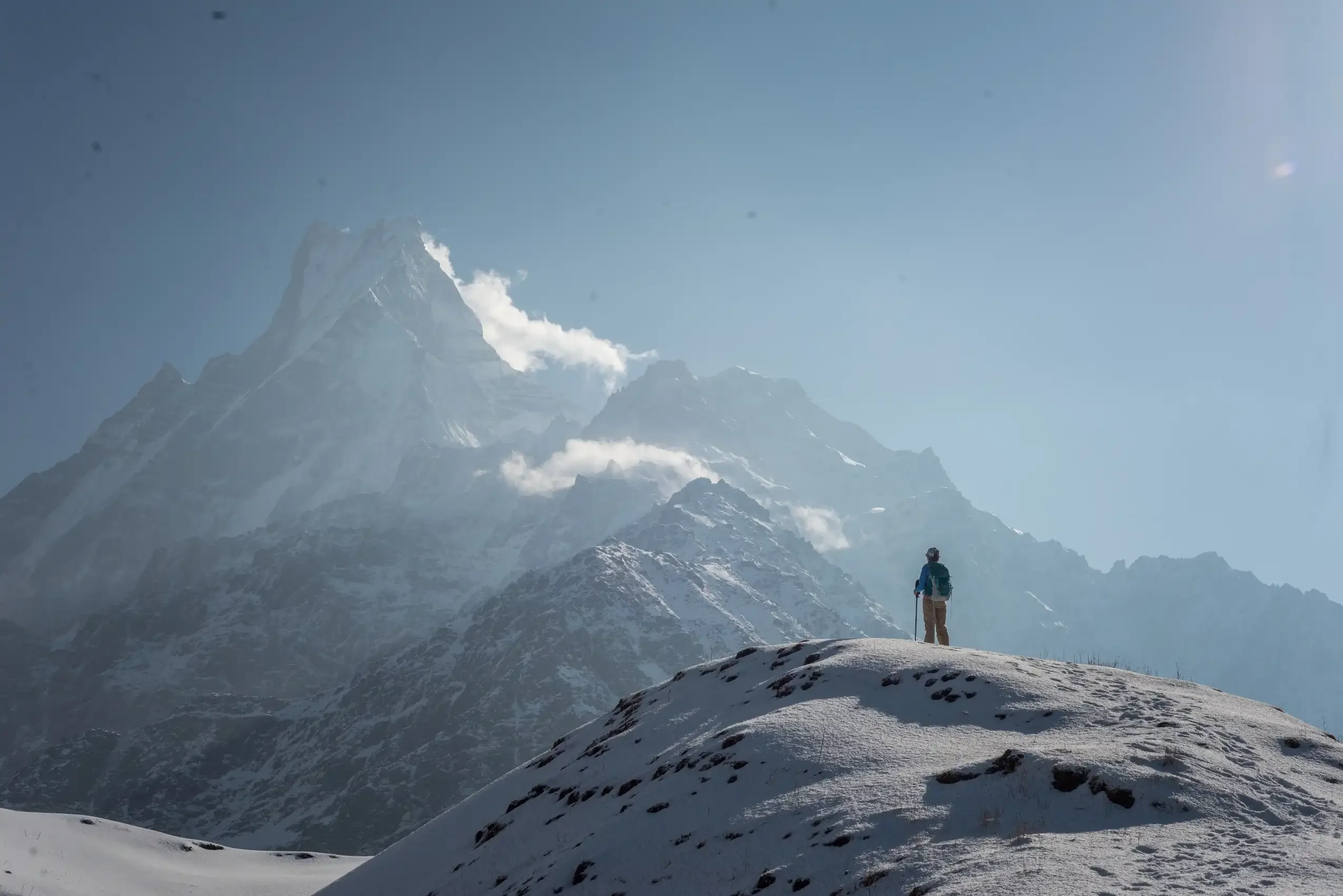
The Nar Phu Valley Trek is a remote Himalayan journey into one of Nepal’s most isolated trans-Himalayan valleys. Located north of the Annapurna range, this restricted region offers ancient Tibetan culture, dramatic landscapes, and a challenging crossing of Kang La Pass before joining the Annapurna Circuit.
Introduction
The Nar Phu Valley Trek takes you into one of the least visited trekking regions of Nepal. Hidden behind the Annapurna range, the valleys of Nar and Phu lie inside a government restricted zone where only a limited number of trekkers are allowed each year. This means quieter trails, fewer groups, and a stronger sense of wilderness compared to more popular trekking routes.
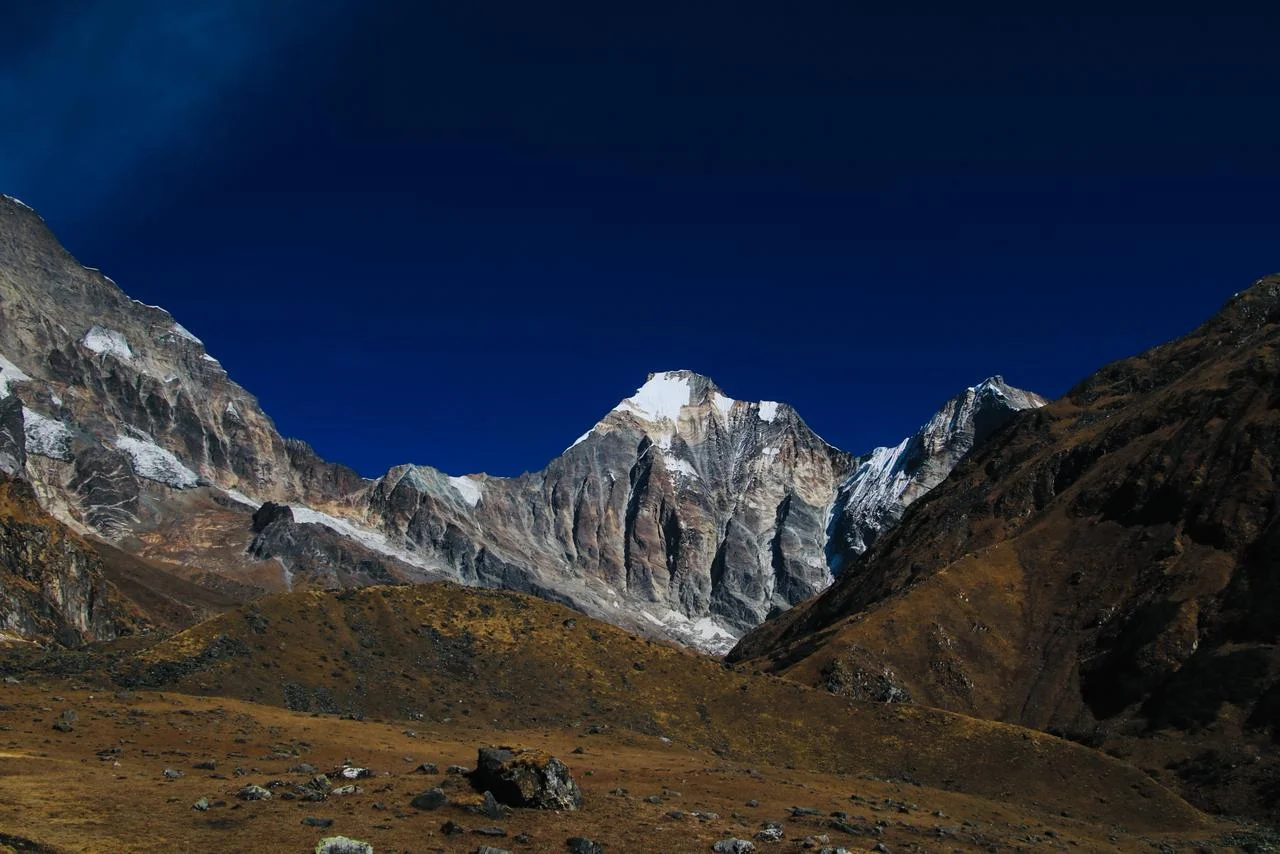
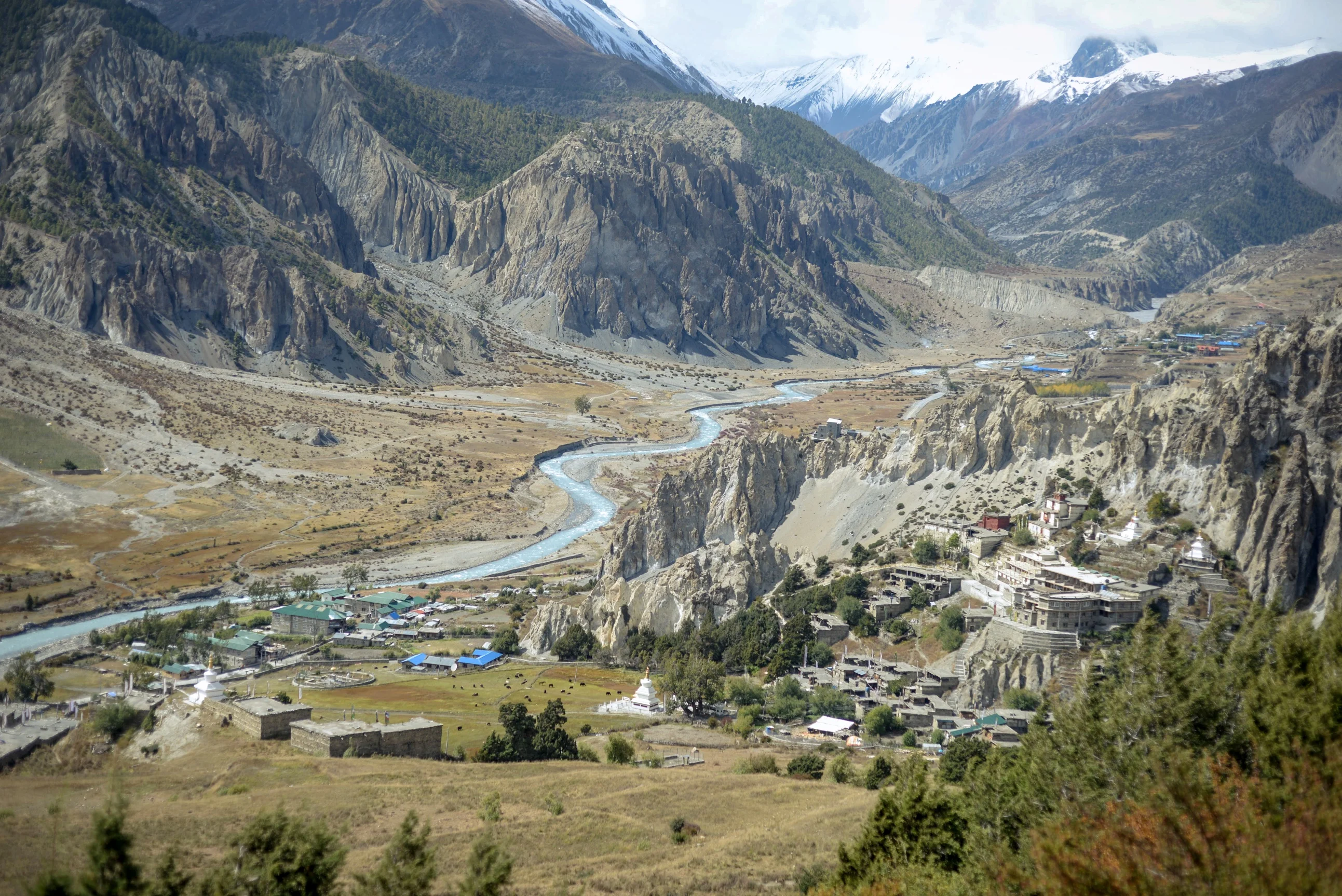
Nar and Phu are traditional Himalayan settlements where Tibetan influenced culture remains strong. The local communities follow both Buddhist and Bon traditions, and their way of life has changed little over the centuries. Stone houses sit on high ridges above narrow valleys. Prayer flags stretch across mountain passes. Yaks graze on high pastures above 4,000 meters. Trekking here offers a rare opportunity to experience the cultural landscape of the trans-Himalaya.
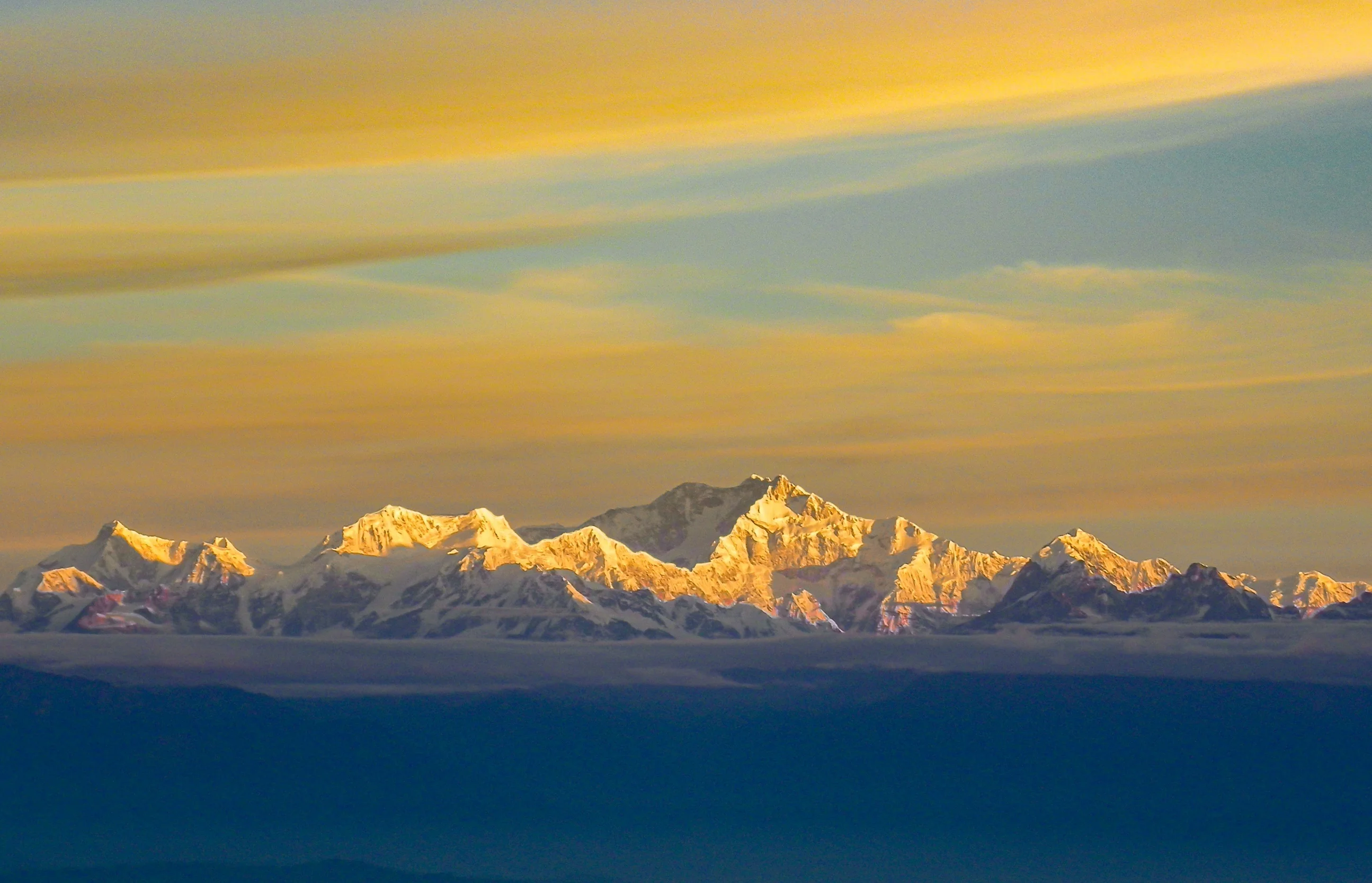
The trail follows the Phu Khola River through a deep gorge before reaching the remote village of Phu Gaun at 4,080 meters. From there the route continues toward Nar village at 4,110 meters, another historic settlement surrounded by high peaks and open alpine terrain. The highest point of the trek is Kang La Pass at 5,320 meters. From the pass, trekkers are rewarded with wide mountain views that include Annapurna II, Gangapurna, and Tilicho Peak before descending toward Ngawal and Manang on the Annapurna Circuit.
The Nar Phu Valley Trek is physically demanding and requires good fitness and previous high altitude trekking experience. At Expedition Himalaya, our experienced guides, trekking leaders, and support team manage logistics, safety, and pacing to ensure a well organized and rewarding Himalayan trekking experience.
Trip Highlights - Nar Phu Valley Trek
- Enter the Nar Phu Restricted Region: Trek into one of the least visited areas of Nepal, where remote valleys and traditional Himalayan life remain largely unchanged.
- Discover Ancient Himalayan Villages: Explore Phu Gaun and Nar Gaun, historic Tibetan-influenced settlements where the Narpa community continues centuries-old traditions.
- Cross Kang La Pass (5,320 m): Reach the highest point of the trek with wide mountain views of Annapurna II, Gangapurna, and Tilicho Peak.
- Experience the Dramatic Landscapes of the Phu Valley: Follow the deep gorge of the Phu Khola River and pass historic Khampa settlements such as Chyakhu and Kyang.
Itinerary
Day 1: Arrival in Kathmandu (1,330 m / 4,364 ft)
Arrival at Tribhuvan International Airport in Kathmandu. Our team meets you at the airport and transfers you to your hotel. In the afternoon we conduct a short trek briefing covering the route, permits, equipment, and safety details. This is also a good time to check your trekking gear and ask questions before the trek begins.
Day 2: Drive to Besisahar (760 m / 2,493 ft)
After Breakfast we begin the drive west from Kathmandu along the Prithvi Highway. The road follows the Trishuli and Marsyangdi river valleys through green hills and traditional villages before reaching Besisahar, the gateway to the Annapurna region.
Day 3: Drive to Koto (2,600 m / 8,530 ft)
Today we continue the journey by jeep along the Annapurna Circuit road. The route climbs through the Marsyangdi Valley, passing waterfalls, suspension bridges, and mountain villages. After reaching the village of Koto, our guide registers the trekking permits at the checkpoint for the Nar Phu restricted region. From here the trail leads into a quieter and more remote Himalayan landscape.
Day 4: Trek to Meta (3,560 m / 11,680 ft)
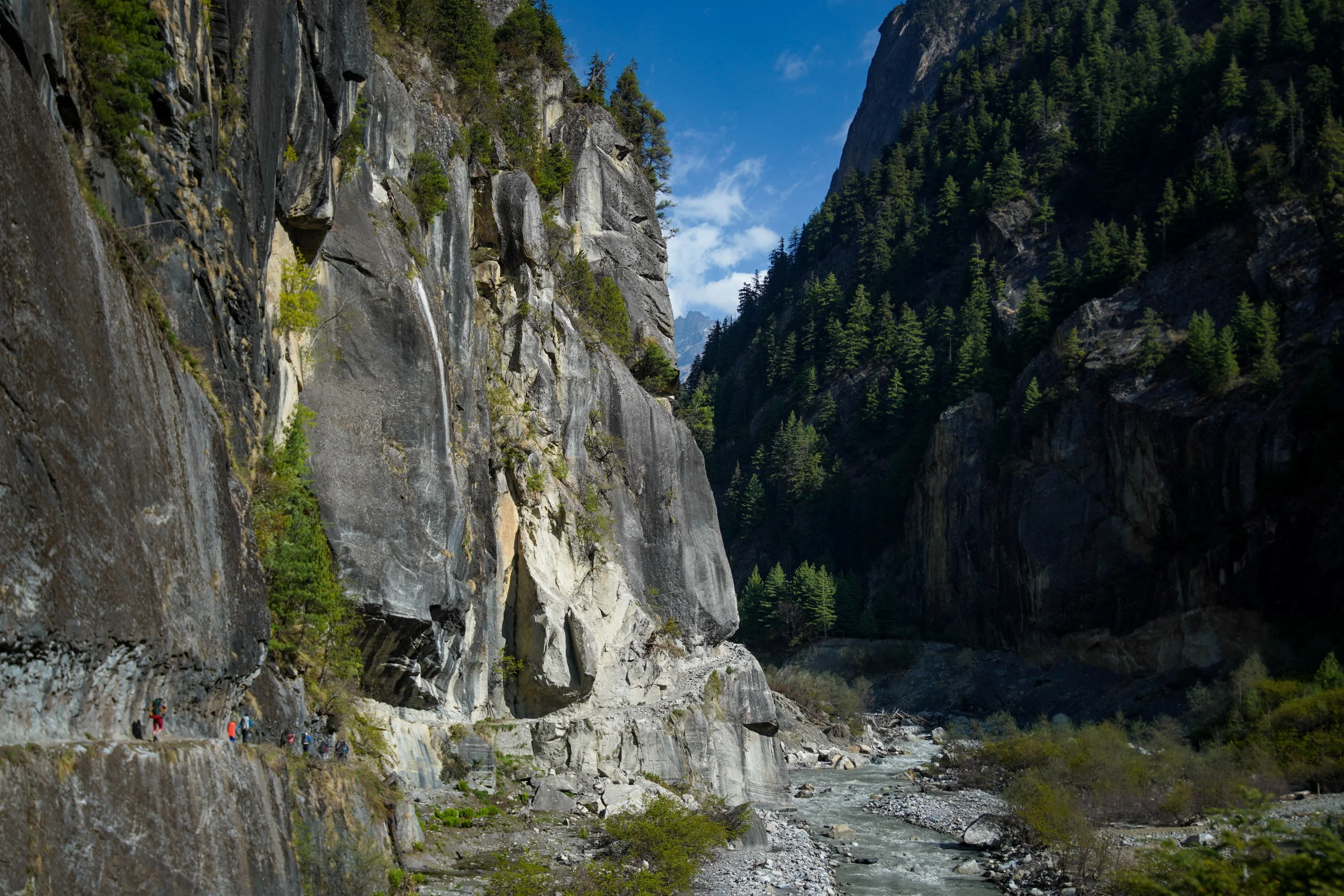
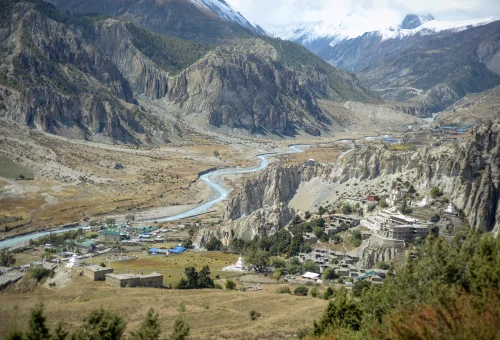
The trek begins along the Phu Khola River. The trail enters a deep gorge where steep cliffs rise on both sides of the valley. Suspension bridges cross the river several times and waterfalls fall from high rock walls. This section of the trek feels wild and remote, very different from the busy Annapurna Circuit trail.
Day 5: Trek to Chyakhu (3,700 m / 12,139 ft)
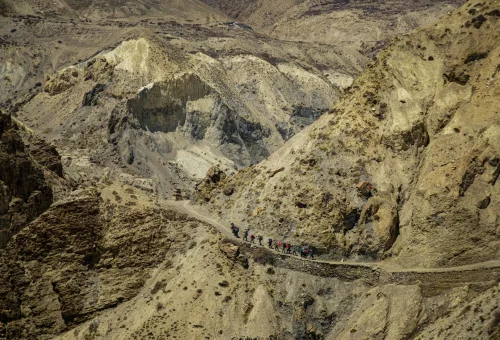
Leaving the narrow gorge behind, the valley slowly opens into a wider trans-Himalayan landscape. The terrain becomes drier and more exposed. The trail passes through small seasonal settlements and old Khampa camps before reaching Chyakhu, a quiet settlement beside the river surrounded by high mountain walls.
Day 6: Trek to Phu Gaun (4,080 m / 13,386 ft)
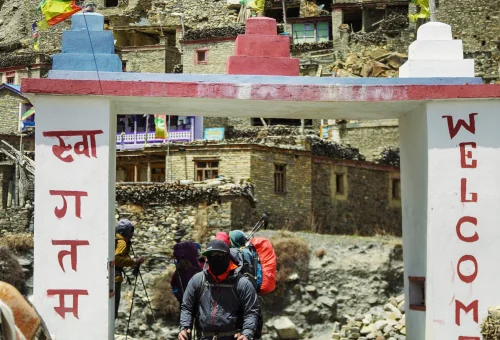
Today the trail continues deeper into the remote Phu Valley. A traditional gateway marks the entrance to the valley and the ancient village of Phu Gaun soon appears on a ridge above the river. The village is built from stone with narrow lanes, prayer flags, and traditional houses. The setting feels unchanged by time.
Day 7: Phu Gaun Exploration and Hike to Himlung Base Camp Viewpoint (4,500 m / 14,764 ft)
This day is spent exploring the culture and landscape around Phu Gaun. A hike toward Himlung Base Camp offers excellent views of glaciers and surrounding peaks. The day also includes a visit to Tashi Lhakhang Gompa, one of the most important monasteries in the valley. Walking through the village provides a deeper understanding of the Narpa community and their traditional lifestyle.
Day 8: Trek to Nar Phedi (3,490 m / 11,450 ft)
Leaving Manang, the trail ascends gradually through alpine terrain with sparse vegetation. The landscape becomes increasingly open and windswept, and the pace naturally slows as altitude increases. Yak pastures and rocky slopes dominate the scenery as you reach Ledar, a small settlement beneath high mountain ridges.
Day 9: Trek to Nar Village (4,110 m / 13,484 ft)
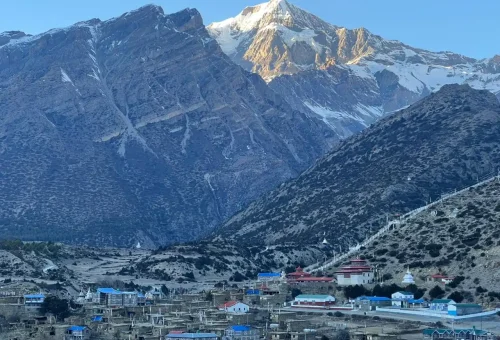
The trail climbs steadily to Nar village. From a distance the settlement appears as a cluster of stone houses sitting on a natural ridge. Nar is known for its traditional Tibetan style architecture, prayer walls, and strong local culture. The surrounding mountains create one of the most impressive settings in the region.
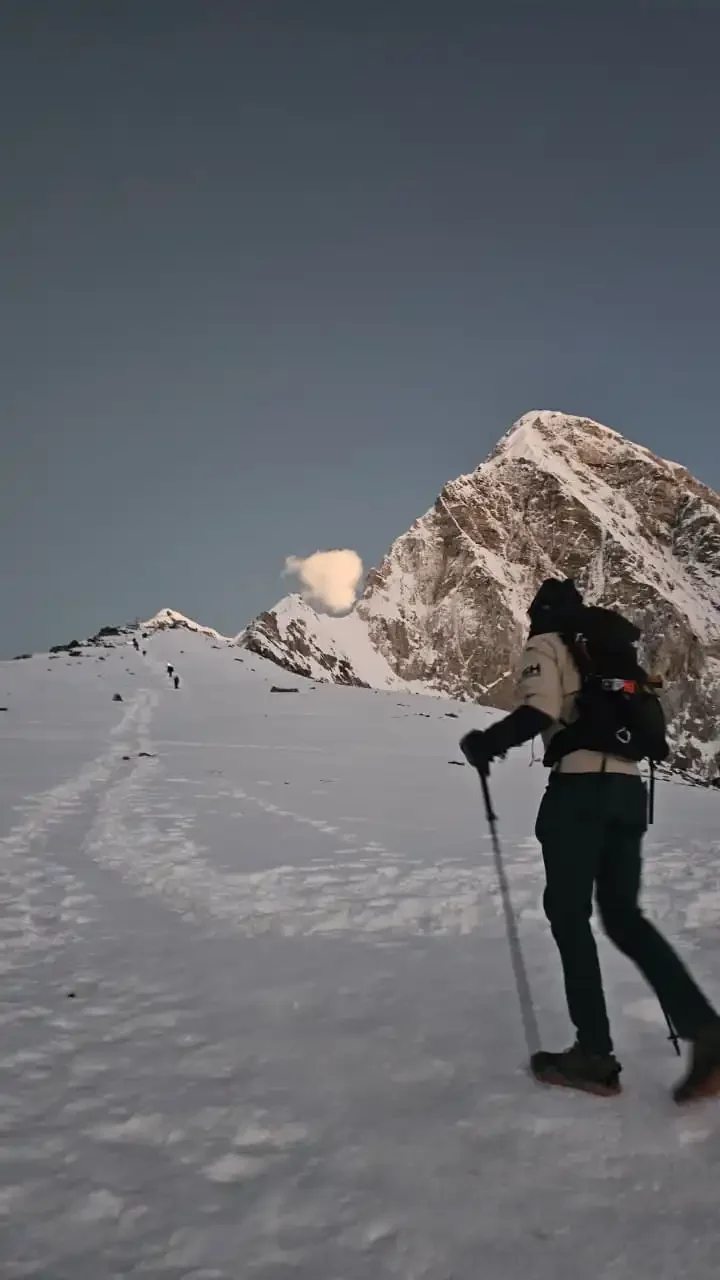
Day 10: Trek to Ngawal (3,660 m / 12,008 ft) via Kang La Pass (5,320 m / 17,454 ft)
Today the trek moves toward the base of Kang La Pass. As the trail gains height the views expand across the Annapurna range. The summit of the pass offers one of the finest panoramas in the region including Annapurna II, Annapurna III, Gangapurna, Tilicho Peak, and Pisang Peak. After enjoying the view, the trail descends toward Ngawal where it reconnects with the Annapurna Circuit.
Day 11: Drive to Besisahar (760 m / 2,493 ft)
A jeep drive follows the Marsyangdi Valley road down from the high mountains toward Besisahar. The landscape gradually changes from alpine terrain to green hills and river valleys.
Day 12: Drive to Kathmandu (1,400 m / 4,593 ft)
The final drive follows the Prithvi Highway back to Kathmandu. The route passes rivers, terraced fields, and rural towns before reaching the capital in the afternoon.
Day 13: Leisure day in Kathmandu
You may explore local markets, visit cultural sites, or simply rest at your hotel. This day also provides time for shopping, sightseeing, or enjoying the city atmosphere.
Day 14: International Departure
Transfer to Tribhuvan International Airport in Kathmandu for your onward international flight. Our team will assist you with the airport transfer and ensure a smooth departure process. As you leave Nepal, you take with you memories of remote Himalayan valleys, traditional mountain villages, and the high pass crossing of Kang La that defined the Nar Phu Valley adventure. We hope this journey through one of Nepal’s most remote trekking regions remains a meaningful and unforgettable experience. We look forward to welcoming you back to the Himalaya again.
Includes
- Service in Kathmandu
- Airport Pick-up and Drop-off service in a private tourist vehicle
- Welcome dinner in authentic Nepali restaurant
- Three nights accommodation in 3-star category hotel with Bed and Breakfast Meal Plan in a Twin sharing basis
- Transfers by comfortable shuttle as per itinerary
- Government and Related Charges
- Annapurna Conservation Area Permit and all cost related to permits
- Restricted Area Permit for Nar Phu Valley
- Service During Trek
- Accommodation in standard tea houses on a full board meal plan
- English speaking experienced local guide
- Porters as required and their entire expenses (2 members : 1 porter - 15 kg per member)
- Medical Kit carried by the Guide/Sardar
- The expenses of Insurance for sherpa, trekking guide and porters and salary for all staffs
Excludes
- International airfare to and from Nepal and Nepal Visa Fees
- Travel and medical insurance (must include high-altitude trekking and emergency evacuation)
- Meals in Kathmandu (except breakfast)
- Personal trekking equipment and clothing
- Hot showers, charging of electronic devices, and Wi-Fi during the trek
- Alcoholic drinks, bottled beverages, and personal snacks
- Tips for guides and porters
- Any expenses arising from unforeseen circumstances such as flight delays, weather conditions, landslides, or political situations
- Emergency evacuation and rescue costs (to be covered by personal insurance)
- Any other expenses not mentioned in the “Trip Includes” section
Booking
Reviews

Good!
Exellent guide for solo trekking. The flexibility of the programm was good and everything worked with Expedition Himalaya.

Frequently Asked Questions
How physically demanding is the Nar Phu Valley Trek compared to other treks in Nepal?
The Nar Phu Valley Trek is more demanding than many popular treks in Nepal because of its remote terrain and high pass crossing. The trek reaches Kang La Pass at 5,320 m (17,454 ft) and involves several days above 3,500 meters. Trails can be rocky, narrow, and exposed in some sections. Trekkers should be comfortable walking 5 to 7 hours per day in high-altitude conditions. Previous trekking experience in the Himalaya or similar mountain environments is strongly recommended.
What permits are required for the Nar Phu Valley Trek and how are they arranged?
Nar Phu Valley is classified as a restricted trekking area by the Government of Nepal. Trekkers require a Nar Phu Restricted Area Permit, an Annapurna Conservation Area Permit (ACAP), and a TIMS card. These permits must be arranged through a licensed trekking company in Nepal. Independent trekking is not permitted in this region.
How remote is the Nar Phu Valley compared to the Annapurna Circuit?
Nar Phu Valley lies north of the main Annapurna Circuit and receives far fewer trekkers each year. Once the trail leaves Koto, the route enters a sparsely populated valley where villages are small and distances between settlements are greater. Many trekkers experience long stretches of trail without encountering other groups. This remoteness is one of the main attractions of the trek.
What kind of accommodation and food can I expect during the trek?
Most nights are spent in local teahouses and small lodges run by families in villages such as Meta, Phu, and Nar. The facilities are simple but comfortable, with shared dining areas and traditional mountain meals. Typical food includes dal bhat, noodles, soups, potatoes, and Tibetan bread. In some locations accommodations are more basic due to the remote environment.
How important is acclimatization during this trek?
Acclimatization is essential for a safe and enjoyable experience in Nar Phu Valley. The trek gradually gains altitude and includes time to explore villages such as Phu Gaun (4,080 m) and Nar (4,110 m) before crossing Kang La Pass. Short acclimatization hikes and steady pacing help the body adjust to the thinner air.
What makes Nar and Phu villages culturally unique?
Nar and Phu are traditional Himalayan settlements with strong Tibetan cultural influence. The communities practice Buddhist traditions that have been preserved for generations. Visitors often see stone houses, prayer wheels, mani walls, yak herding, and historic monasteries such as Tashi Lhakhang Gompa in Phu Valley. The villages offer a rare glimpse into a traditional mountain lifestyle that has changed very little over time.
What kind of mountain views can I expect on this trek?
The Nar Phu Valley Trek offers impressive views of several major peaks in the Annapurna region. During the trek and especially from Kang La Pass, trekkers can see Annapurna II, Annapurna III, Gangapurna, Tilicho Peak, and Pisang Peak. These views provide one of the most rewarding panoramas in the region.
Is the Nar Phu Valley Trek suitable for first-time trekkers?
The trek is generally not recommended as a first high-altitude trekking experience. Because of its remote nature, limited facilities, and high mountain pass crossing, it is better suited for trekkers who already have experience with multi-day trekking at altitude.
Trekking Gear - Nar Phu Valley Trek
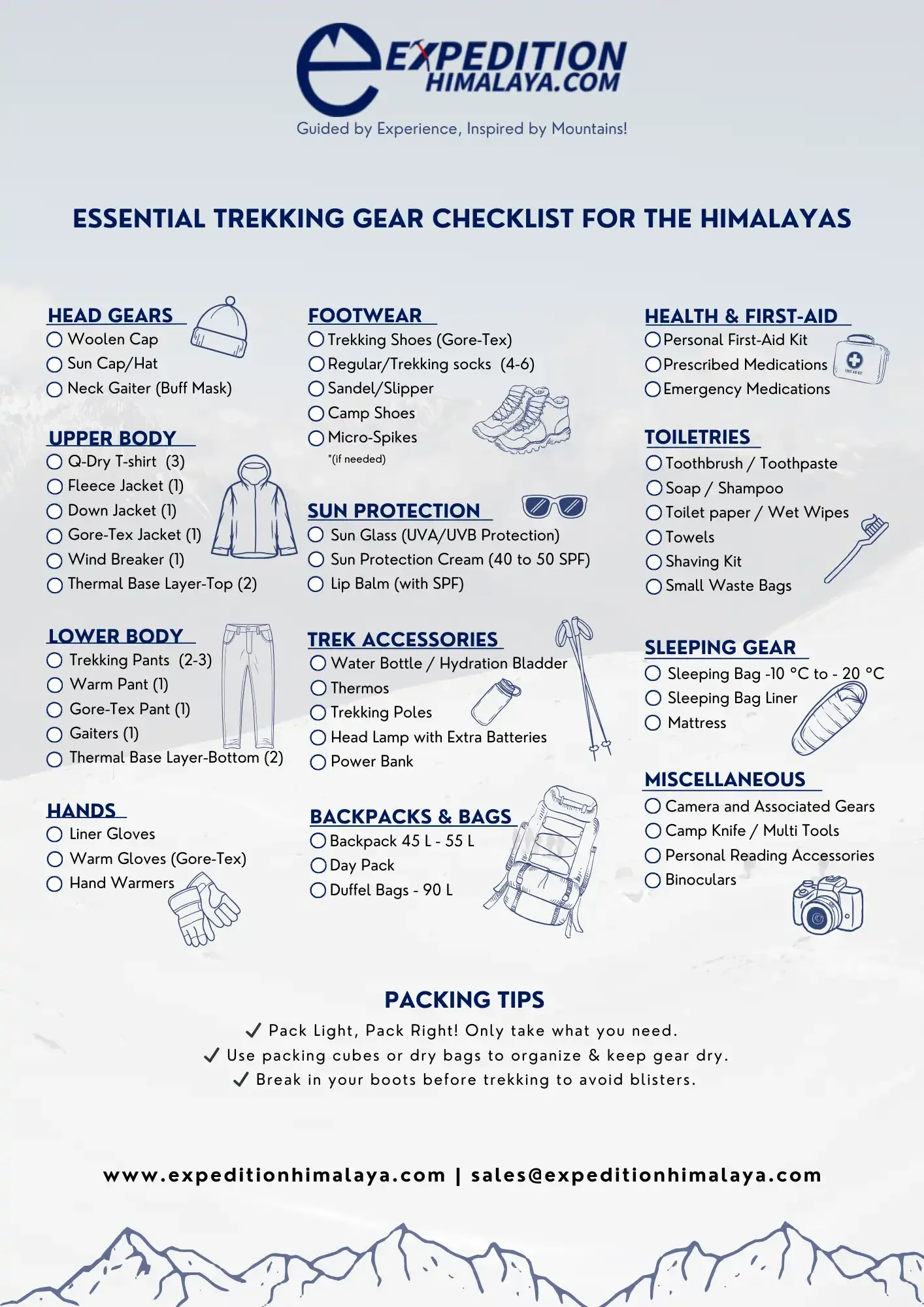
Proper trekking gear is essential for a safe and comfortable experience in the Nar Phu Valley. This trek passes through remote high-altitude terrain and crosses Kang La Pass at 5,320 meters, where weather conditions can change quickly. Packing the right clothing, footwear, and personal equipment will help you stay warm, dry, and well prepared throughout the trek.
Choosing the Right Trekking Gear for the Himalaya – Read Our Blog
Booking Terms and Conditions
Terms and Conditions
Destination Map

Customize Your Trip and Get a Quote
Inquiry Form
Related Tours