Mera Peak Climbing - Amphu Laptsa & Three Pass Trek - 31 Days
31 Days
Kathmandu
Kathmandu
6476 M
Spring(Mar - May) & Autumn(Sep-Nov)
Hotel, Tea house & Camping
10
6000er
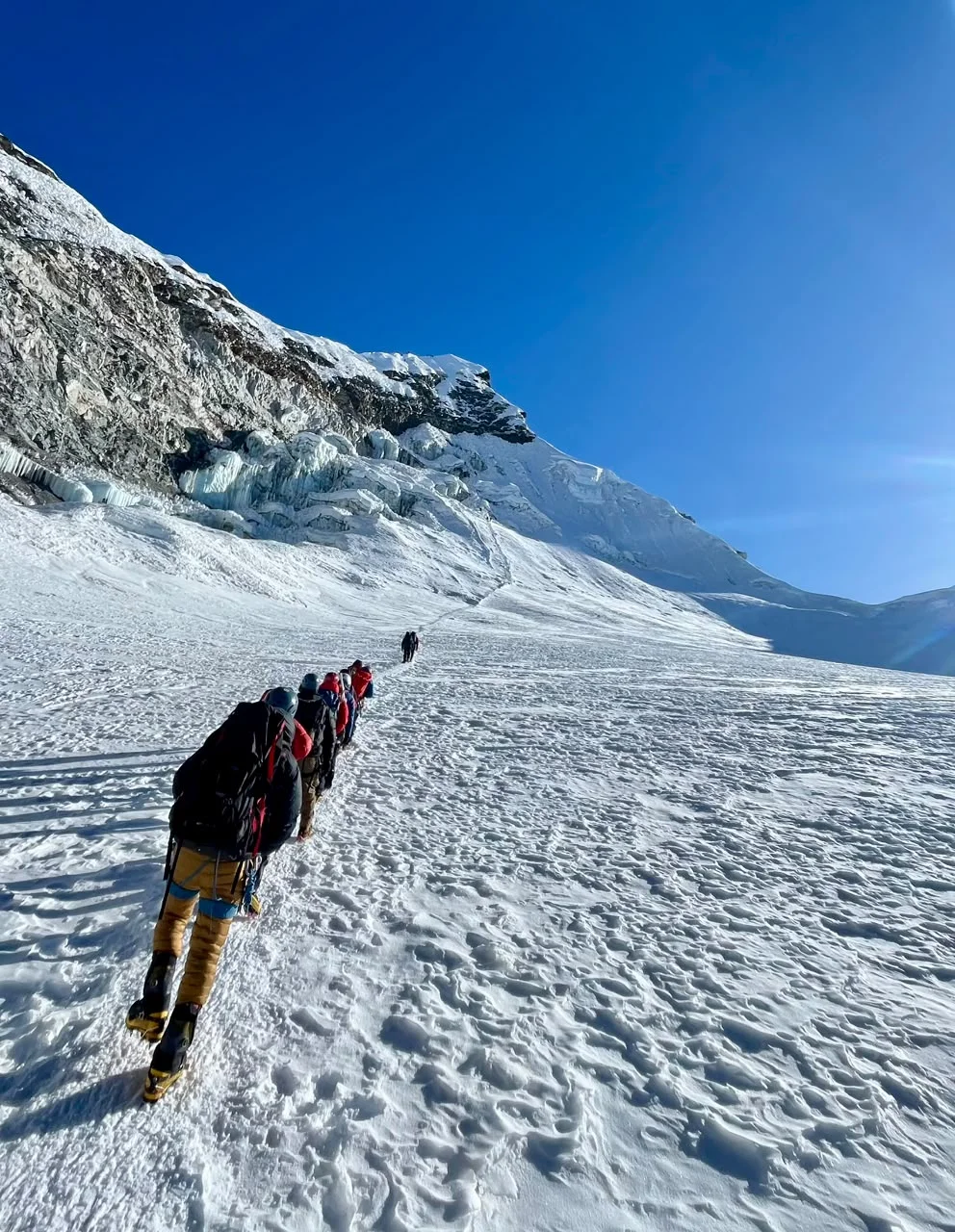
A demanding Himalayan traverse that combines the summit of Mera Peak (6,476 m) with the technical Amphu Laptsa Pass and the complete Three Passes Trek, offering a true expedition-style journey through Nepal’s most remote and iconic mountain regions.
Introduction
The Mera Peak Expedition with Amphu Laptsa and Three Passes Trek is one of the most complete high-altitude journeys in the Nepal Himalayas, designed for experienced trekkers and climbers seeking a continuous expedition-style traverse. This itinerary combines a 6,000-meter summit, a technical alpine pass, and the entire Three Passes circuit, offering a rare progression through Nepal’s most remote and demanding mountain terrain.
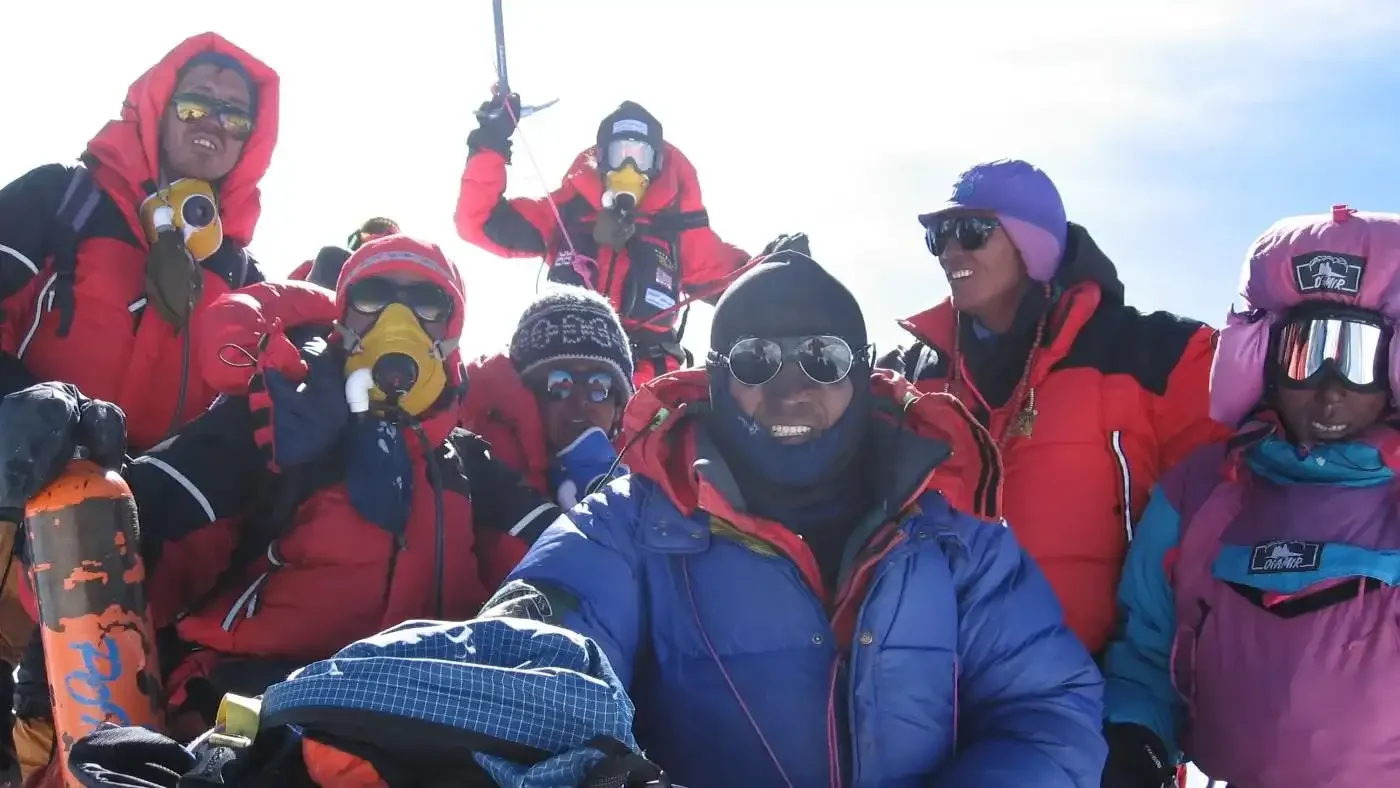
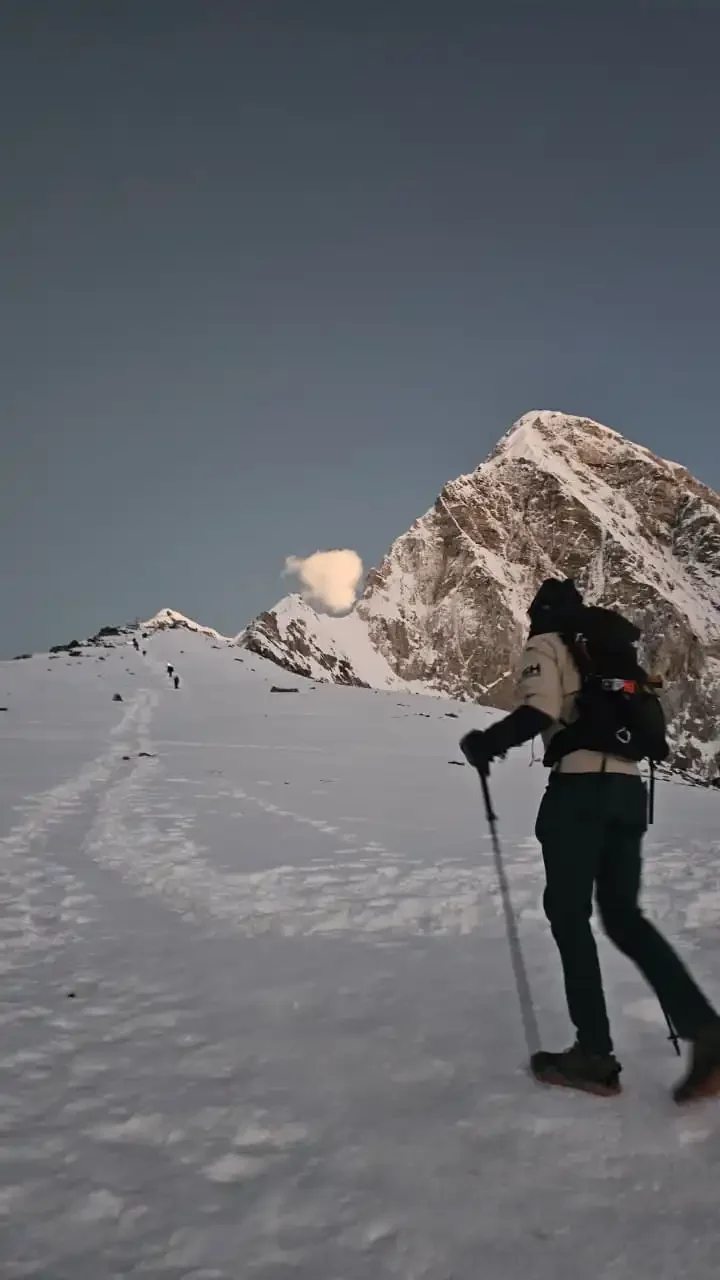
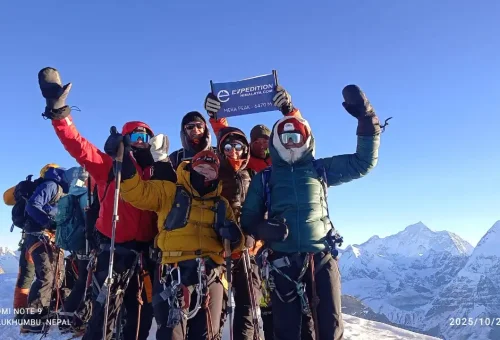
The journey begins with a classic approach through the Hinku Valley, gradually ascending toward Mera Peak with a well-structured acclimatization schedule. After summiting Mera Peak (6,476 m)—the highest trekking peak in Nepal—the route transitions into the isolated Hongu Valley, an uninhabited glacial basin rarely visited by trekkers.
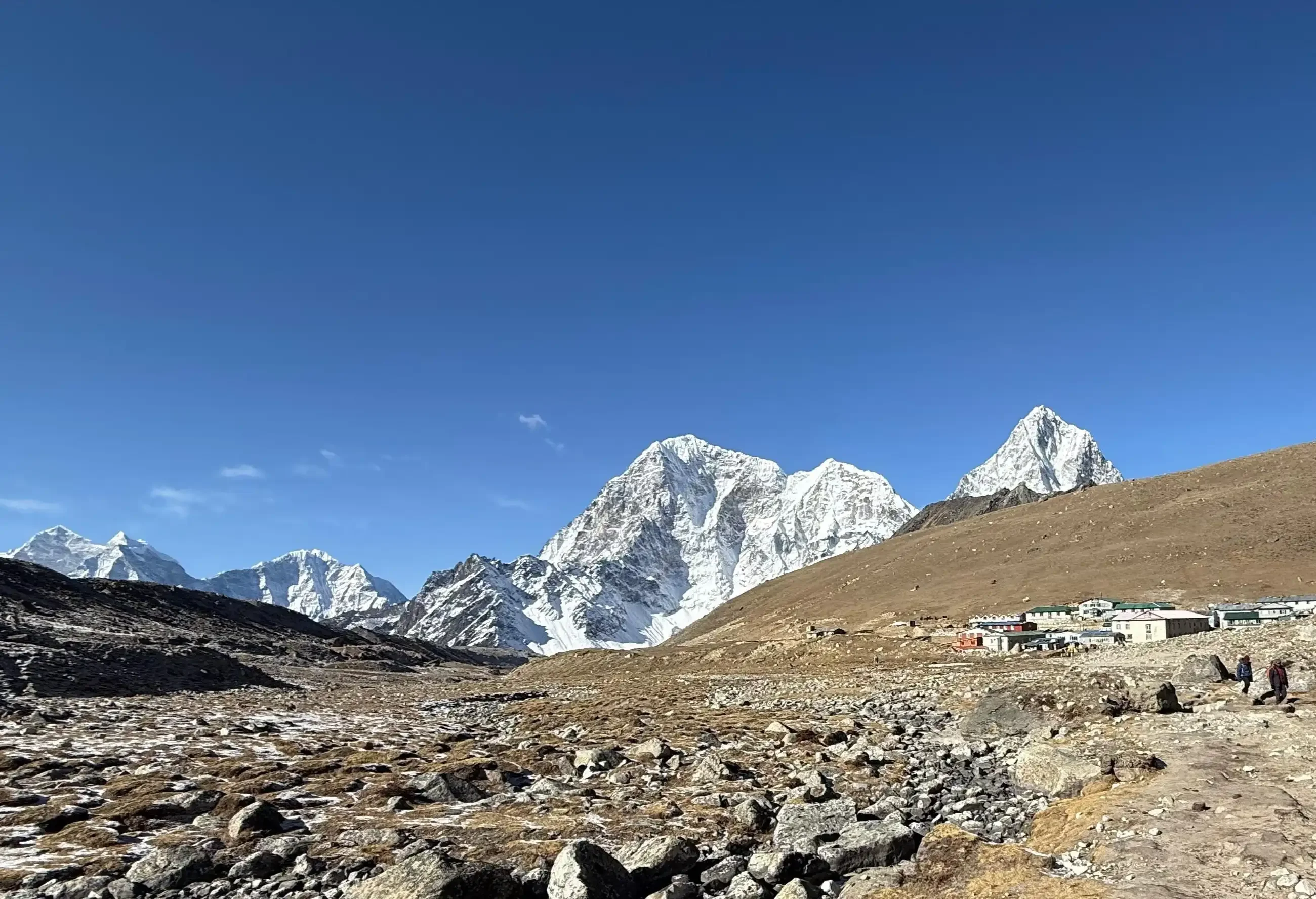
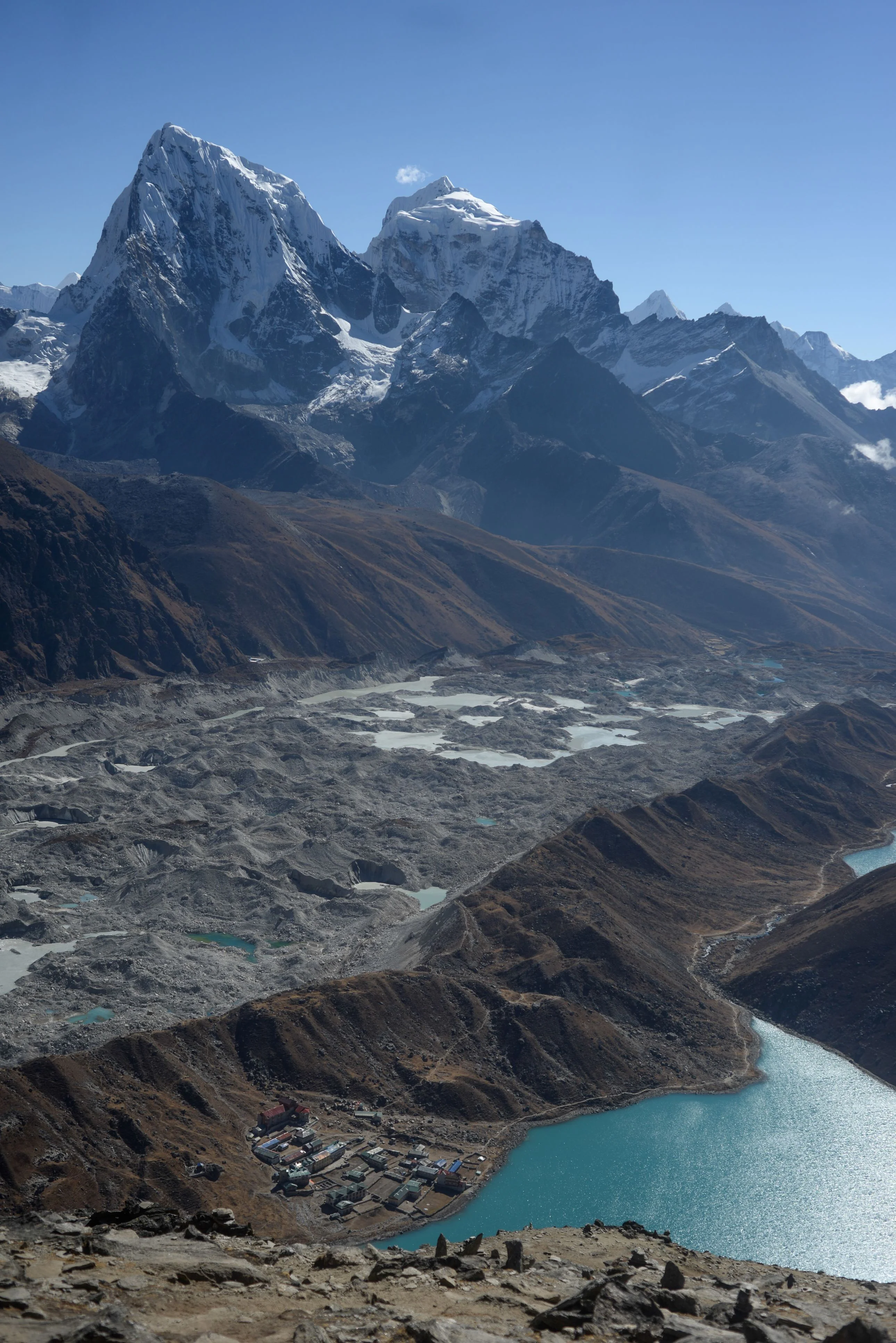
From here, the expedition crosses the Amphu Laptsa La (5,845 m), a technical high pass requiring rope work and alpine movement, marking the entry into the Khumbu region. The journey then continues through Island Peak Base Camp and into the legendary Three Passes Trek, crossing Kongma La, Cho La, and Renjo La, while visiting key landmarks such as Everest Base Camp, Kala Patthar, and the Gokyo Valley.
Carefully paced and logistically demanding, this expedition is suited only for trekkers with prior high-altitude and basic mountaineering experience. Operated by Expedition Himalaya, the itinerary emphasizes proper acclimatization, technical safety, and realistic expedition flow, delivering a true Himalayan traverse rather than a segmented trekking itinerary.
Itinerary
Day 1: Arrive Kathmandu (1,330 m / 4,364 ft)
Day 2: Documentation & Preparation
Day 3: Flight to Lukla (2,860 m / 9,383 ft) & Trek to Paiya (2,730 m / 8,957 ft)
Day 4: Trek to Pangom (2,850 m / 9,350 ft)
Day 5: Trek to Ramailo Danda (3,270 m / 10,728 ft)
Day 6: Trek to Chatra Khola (2,800 m / 9,186 ft)
Day 7: Trek to Kothe (3,580 m / 11,745 ft)
Day 8: Trek to Thangnak (4,350 m / 14,272 ft)
Day 9: Acclimatization Day at Thangnak (4,350 m / 14,272 ft)
Day 10: Trek to Khare (5,045 m / 16,552 ft)
Day 11: Training & Acclimatization at Khare (5,045 m / 16,552 ft)
Day 12: Climb to Mera High Camp (5,800 m / 19,029 ft)
Day 13: Summit Mera Peak (6,476 m / 21,247 ft) & Descend to Kongma Dingma
Day 14: Contingency Day
Day 15: Trek to Seto Pokhari (5,035 m / 16,519 ft)
Day 16: Trek to Amphu Laptsa Base Camp (5,200 m / 17,060 ft)
Day 17: Cross Amphu Laptsa La (5,845 m / 19,176 ft) & Descend to Chhukung (4,730 m / 15,518 ft)
Day 18: Rest at Chhukung (4,730 m / 15,518 ft)
Day 19: Cross Kongma La (5,535 m / 18,159 ft) to Lobuche (4,930 m / 16,175 ft)
Day 20: Trek to Gorakshep (5,160 m / 16,929 ft) & Everest Base Camp (5,364 m / 17,598 ft)
Day 21: Hike to Kala Patthar (5,550 m / 18,209 ft) & Trek to Dzongla (4,830 m / 15,846 ft)
Day 22: Cross Cho La (5,420 m / 17,782 ft) to Dragnag (4,700 m / 15,420 ft)
Day 23: Trek to Gokyo (4,790 m / 15,715 ft)
Day 24: Gokyo Ri (5,357 m / 17,575 ft) & Rest Day
Day 25: Cross Renjo La (5,360 m / 17,585 ft) to Lungden (4,380 m / 14,370 ft)
Day 26: Trek to Thame (3,820 m / 12,533 ft)
Day 27: Trek to Namche Bazaar (3,440 m / 11,286 ft)
Day 28: Trek to Lukla (2,860 m / 9,383 ft)
Day 29: Fly to Kathmandu
Day 30: Rest Day in Kathmandu
Day 31: International Departure
Includes
- SERVICE IN KATHMANDU
- Airport Pick-up and Drop-off service in a private tourist vehicle.
- 4 night’s accommodation in Kathmandu in 4-star category hotel including Bed and Breakfast on twin sharing basis
- Welcome dinner at an authentic Nepali restaurant in Kathmandu
- Road transfers as per itinerary
- GOVERNMENT AND RELATED CHARGES
- Mera Peak climbing permit
- Makalu Barun and Sagarmatha National Park entry permit
- Khumbu Pasang Lhamu Rural Municipality permit
- All applicable local and government taxes and service charges
- SERVICE DURING THE TREK
- Accommodation in tourist-standard teahouses during the trekking sections
- Camping during the camping trek section and Mera climbing period
- Full Board Meal During the entire trip
- Services of an experienced, English-speaking climbing guide
- Porters (one porter per member) with full salary, insurance, food, accommodation, and equipment Basic first-aid kit carried by the trekking guide
- CAMPING & CLIMBING SERVICE (MERA PEAK & AMPHU LAPTSA SECTION)
- Accommodation in tourist-standard teahouses during the trekking sections
- Full Board Meal During the entire trip
- Services of an experienced, English-speaking climbing guide
- Porters (one porter per member) with full salary, insurance, food, accommodation, and equipment Basic first-aid kit carried by the trekking guide
- CAMPING & CLIMBING SERVICE (MERA PEAK & AMPHU LAPTSA SECTION)
- Camping accommodation during climbing and remote high-altitude sections
- High-altitude kitchen and cook for the camping section
- Dining tent, sleeping tents, and necessary camping equipment during the expedition phase
- Experienced climbing guide and required number of climbing Sherpa during technical sections
- Group climbing equipment including ropes and safety gear for glacier travel and pass crossings
- High-altitude food supplies, including energy-rich meals during camping sections
- Epi gas and burners for high camps and remote camps
- Sherpa and support staff salaries, food, accommodation, and transportation
- Insurance coverage for trekking guides, climbing guides, climbing Sherpa, and porters
- First-aid supplies for expedition use
Excludes
- International airfare to and from Kathmandu and Nepal Visa Fees.
- Travel & medical insurance including insurance for emergency rescue & evacuation.
- Lunches and dinners in Kathmandu except Welcome & Farewell dinner.
- Personal expenses such as telephone, laundry, bottled water, bar bills, trekking/climbing gears, etc.
- Tips for Sherpa & tips for local staffs.
- Summit bonus for climbing Sherpa.
- Cost for the daily weather forecast Cost of weather forecasts and satellite phone calls (if used)
- Any extra cost arising out of natural calamities or cancellation of the program.
- All other items not mentioned in the list of ‘Inclusions’.
Booking
Reviews

Good!
Exellent guide for solo trekking. The flexibility of the programm was good and everything worked with Expedition Himalaya.

Frequently Asked Questions
How technically demanding is this expedition compared to standard trekking peaks like Island Peak or Lobuche East?
While Mera Peak itself is less technical, the overall expedition is significantly more demanding due to the Amphu Laptsa Pass, extended glacier travel, and consecutive high passes. This journey requires confidence on snow and ice, rope travel, and sustained performance at altitude over many days.
What level of prior experience do you expect from participants?
Participants should have prior high-altitude trekking experience above 5,000 meters and at least one basic mountaineering ascent involving crampons and rope systems. Comfort on exposed terrain and the ability to move efficiently in alpine environments are essential.
How is acclimatization managed across such a long and complex route?
The itinerary is deliberately structured with a gradual ascent through the Hinku Valley, dedicated acclimatization days, and staged exposure to altitude. Summiting Mera Peak before entering the Hongu Valley allows the body to adapt before tackling Amphu Laptsa and the Three Passes.
How serious is the Amphu Laptsa Pass, and what makes it different from trekking passes?
Amphu Laptsa is a technical alpine pass, not a trekking pass. It involves steep snow and ice, fixed ropes, and exposed descent sections. Conditions vary yearly, and alpine judgment is required. This is often considered the crux of the entire expedition.
Will I need to carry my own technical gear, or is it provided?
Participants are expected to bring personal technical gear such as mountaineering boots, crampons, harness, helmet, and ice axe. Group safety equipment and fixed ropes are provided during technical sections.
How remote is the Hongu Valley section, and what happens if something goes wrong there?
The Hongu Valley is one of the most isolated trekking regions in Nepal, with no villages or services. Movement here is expedition-style. Emergency protocols, satellite communication, and conservative decision-making are critical in this section.
How flexible is the itinerary if weather delays the Mera Peak summit or Amphu Laptsa crossing?
The itinerary includes contingency days. Decisions are made prioritizing safety. If conditions are unsafe, alternate plans or schedule adjustments are implemented rather than forcing progress.
What kind of weather conditions should I realistically expect above 5,500 meters?
Expect rapid weather changes, strong winds, and sub-zero temperatures, especially during summit and pass days. Flexibility and respect for mountain conditions are essential.
Is there any option to shorten the trip if I feel overwhelmed?
Exit options exist once the route enters the Khumbu region. However, the Hinku–Hongu section has limited escape routes, so commitment level should be high from the start.
What should I honestly evaluate about myself before joining this trip?
You should assess your comfort with exposure, isolation, sustained altitude, and long expedition timelines. This trip rewards preparation, patience, and respect for the mountains.