Classic Everest Base Camp Trek - 15 Days
15 Days
Kathmandu
Kathmandu
5,545m
Autumn Season
Tea house
Domestic Flight, Road Transfers
16 pax
Return Heli Flight (additional cost)
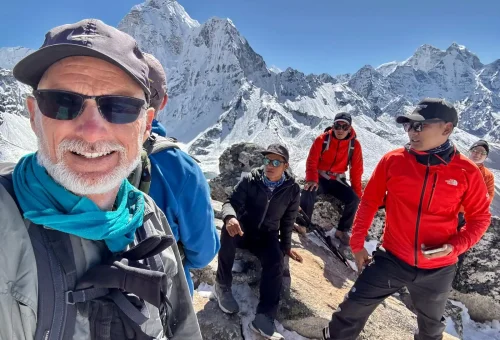
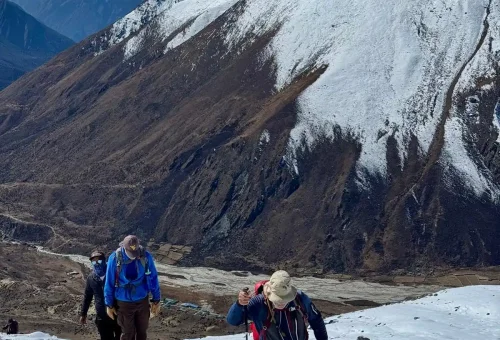
Everest Base Camp Trek offers breathtaking Himalayan views, rich Sherpa culture, and the stunning landscapes of Sagarmatha National Park. Highlights include the iconic Kala Patthar viewpoint. This trek is perfect for adventure seekers and nature lovers. Experience the thrill of trekking through rugged trails and high-altitude passes.
Introduction
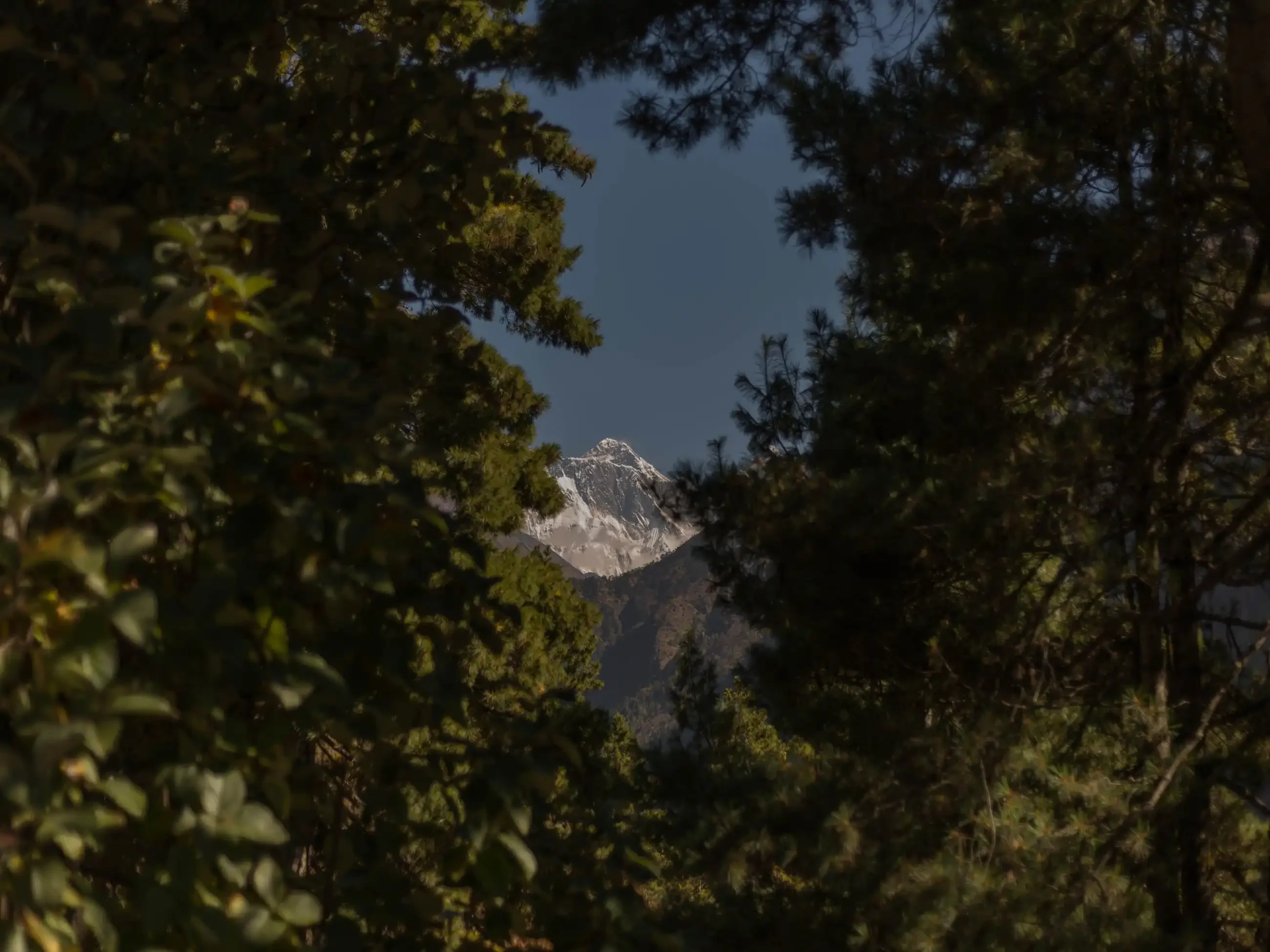
The Everest Base Camp Trek is one of the most iconic journeys in the Himalayas, leading trekkers through the heart of the Khumbu region to the base of the world’s highest mountain, Mount Everest (8,848.86 m). The route follows ancient trade and pilgrimage trails, passing through traditional Sherpa villages, Buddhist monasteries, and dramatic mountain landscapes shaped by glaciers and high-altitude terrain.
The trek offers a well-balanced experience of culture and nature. Along the way, trekkers encounter landmarks such as Namche Bazaar, the cultural and trading center of the region, Tengboche Monastery, the spiritual heart of Khumbu, and the vast Khumbu Glacier. Carefully planned acclimatization days allow the body to adjust gradually to altitude, making the journey safer and more comfortable.
Designed for trekkers with good fitness and a sense of adventure, the Everest Base Camp Trek does not require technical climbing skills. The reward is a close-up experience of the Himalayas, including views of Everest, Lhotse, Nuptse, Ama Dablam, and other surrounding peaks, combined with the everyday life and traditions of the Sherpa people. This trek offers a meaningful introduction to high-altitude trekking and a deeper understanding of the Everest region.
Itinerary
Day 1: Arrive Kathmandu (1,337m)
You arrive in Kathmandu, Nepal’s capital city. At Tribhuvan International Airport, the Expedition Himalaya team receives you and transfers you to your hotel. The remainder of the day is free to rest after international travel or take a short walk nearby.
Day 2: Leisure Day in Kathmandu
This day is kept flexible. You may rest, explore Kathmandu’s historic areas, or prepare for the trek ahead. If needed, last-minute trekking gear can be arranged. The day also allows time to adjust after travel and prepare mentally for the journey into the Everest region.
Day 3: Drive to Ramechap – Flight to Lukla & Trek to Phakding (2,610 m / 8,563 ft)
You begin early with a drive from Kathmandu to Ramechap. From there, you take a short mountain flight to Lukla, offering the first close views of the Himalayan peaks. After landing, you start trekking along the Dudh Koshi River, passing Mani walls, prayer wheels, and small villages. The trek to Phakding is gentle and helps your body begin adjusting to altitude.
Day 4: Trek to Namche Bazaar (3,440 m / 11,286 ft)
The trail follows the river valley, crossing several suspension bridges, including the famous Hillary Suspension Bridge. You trek through pine forests and small Sherpa villages before starting a steady uphill climb to Namche Bazaar. Namche is the main trading hub of the Khumbu region and offers shops, bakeries, and mountain views.
Day 5: Acclimatization Day at Namche – Hike to Syangboche
This is an important acclimatization day. You hike to Syangboche and surrounding viewpoints, where you may see Mount Everest, Lhotse, Ama Dablam, and Thamserku on clear days. The hike helps your body adjust to altitude before returning to Namche for rest.
Day 6: Trek to Tengboche (3,870 m / 12,697 ft)
You trek through forested trails with views of Ama Dablam and Everest. After descending to the river, the trail climbs steadily to Tengboche. The village is home to Tengboche Monastery, the most important monastery in the region. The setting offers wide mountain views and a strong sense of Sherpa Buddhist culture.
Day 7: Trek to Dingboche (4,360 m / 14,304 ft)
The trail continues through alpine terrain as trees thin out. You pass stone-walled fields used to protect crops from wind and animals. Dingboche sits beneath towering peaks, including Ama Dablam, and marks a noticeable change in landscape and altitude.
Day 8: Acclimatization Day at Dingboche
You spend the day acclimatizing with a morning short hike to higher ground at Nakartshang View Point. The rest of the day is for rest and hydration. This day plays a key role in reducing the risk of altitude-related illness.
Day 9: Trek to Lobuche (4,930 m / 16,175 ft)
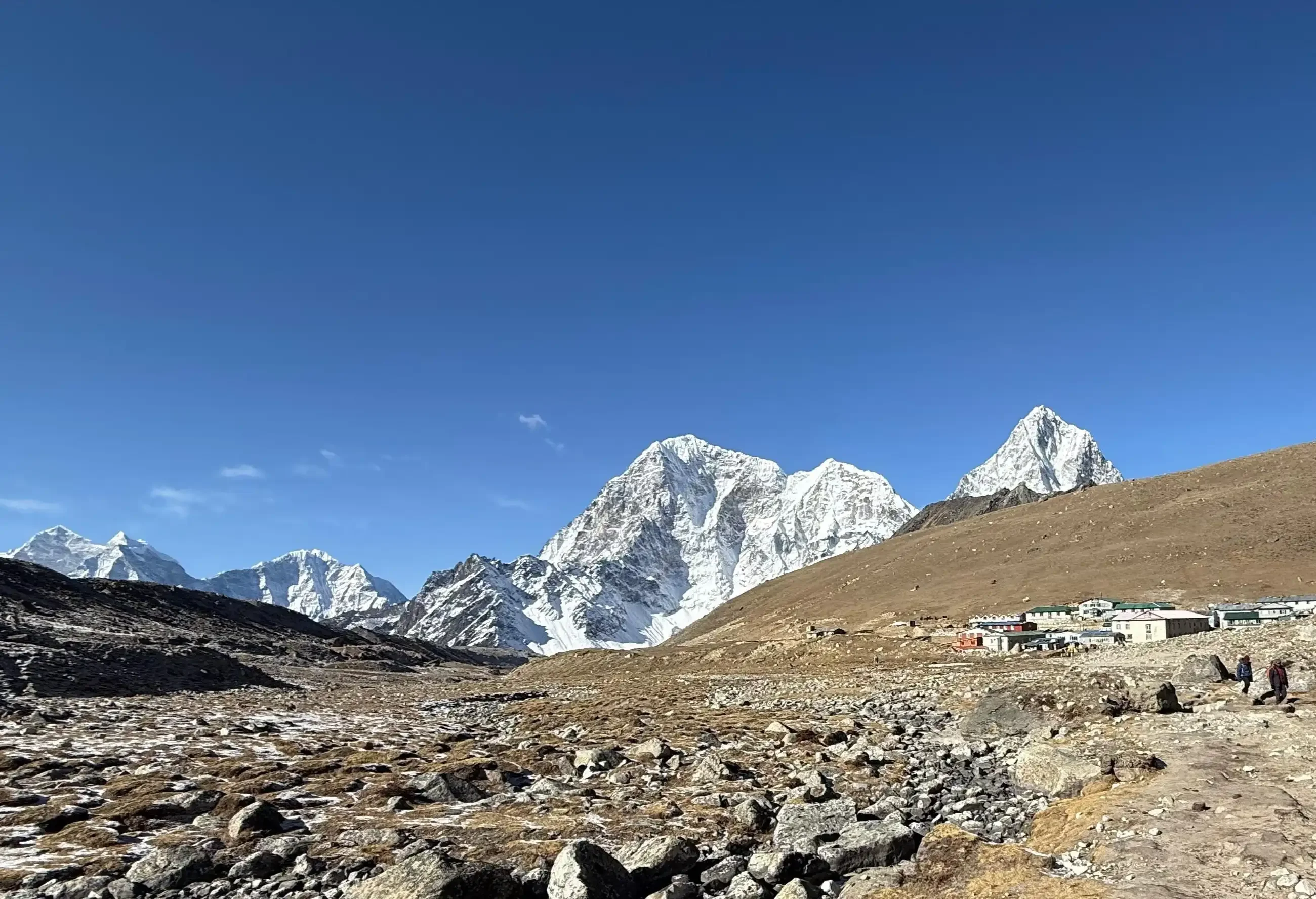
The trail follows the edge of the Khumbu Glacier, crossing rocky terrain shaped by ice and time. Along the way, you pass memorials that honor climbers who contributed to the history of Everest mountaineering. As you continue, the landscape opens into a dramatic high-altitude environment, with expansive views of surrounding peaks and glaciers as you approach Lobuche.
Day 10: Trek to Gorakshep (5,160 m / 16,929 ft) & Hike to Everest Base Camp (5,364 m / 17,598 ft)
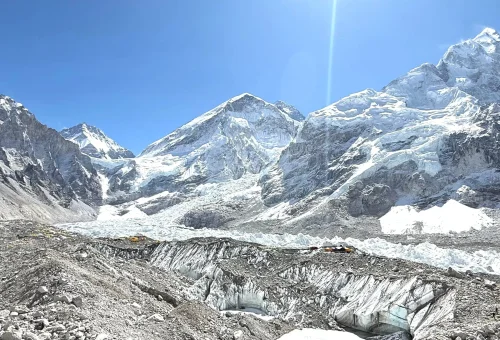
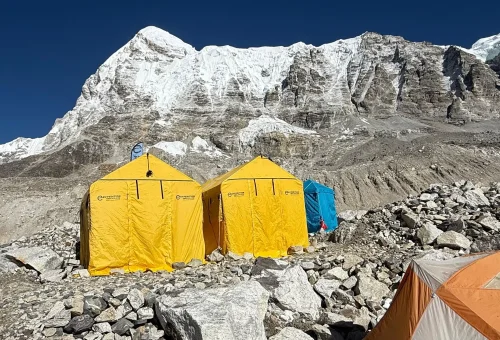
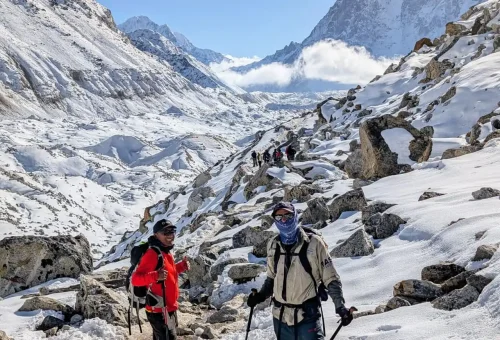
You trek along the glacier to Gorakshep, the last settlement before Everest Base Camp. After a short rest, you continue to Everest Base Camp, walking over glacial terrain. You stand at the base of the world’s highest mountain, surrounded by icefalls and towering peaks. After visiting Base Camp, you return to Gorakshep for the night.
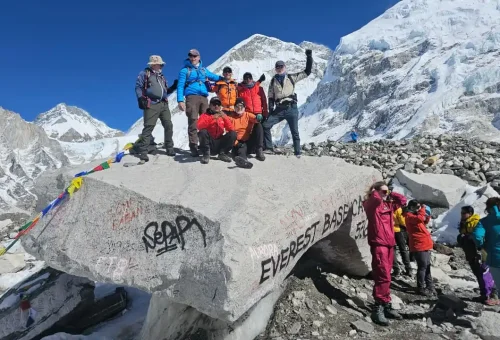
Day 11: Hike to Kala Patthar (5,550 m / 18,209 ft) & Trek to Pheriche (4,370 m / 14,340 ft)
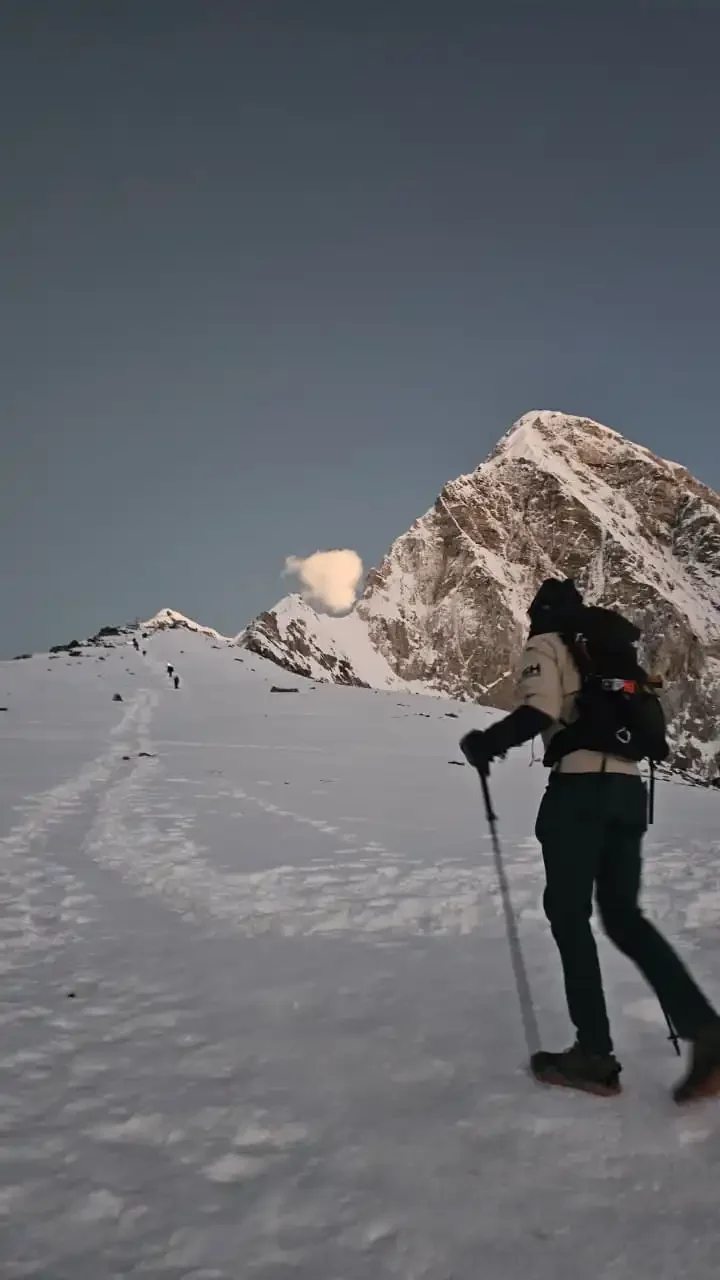
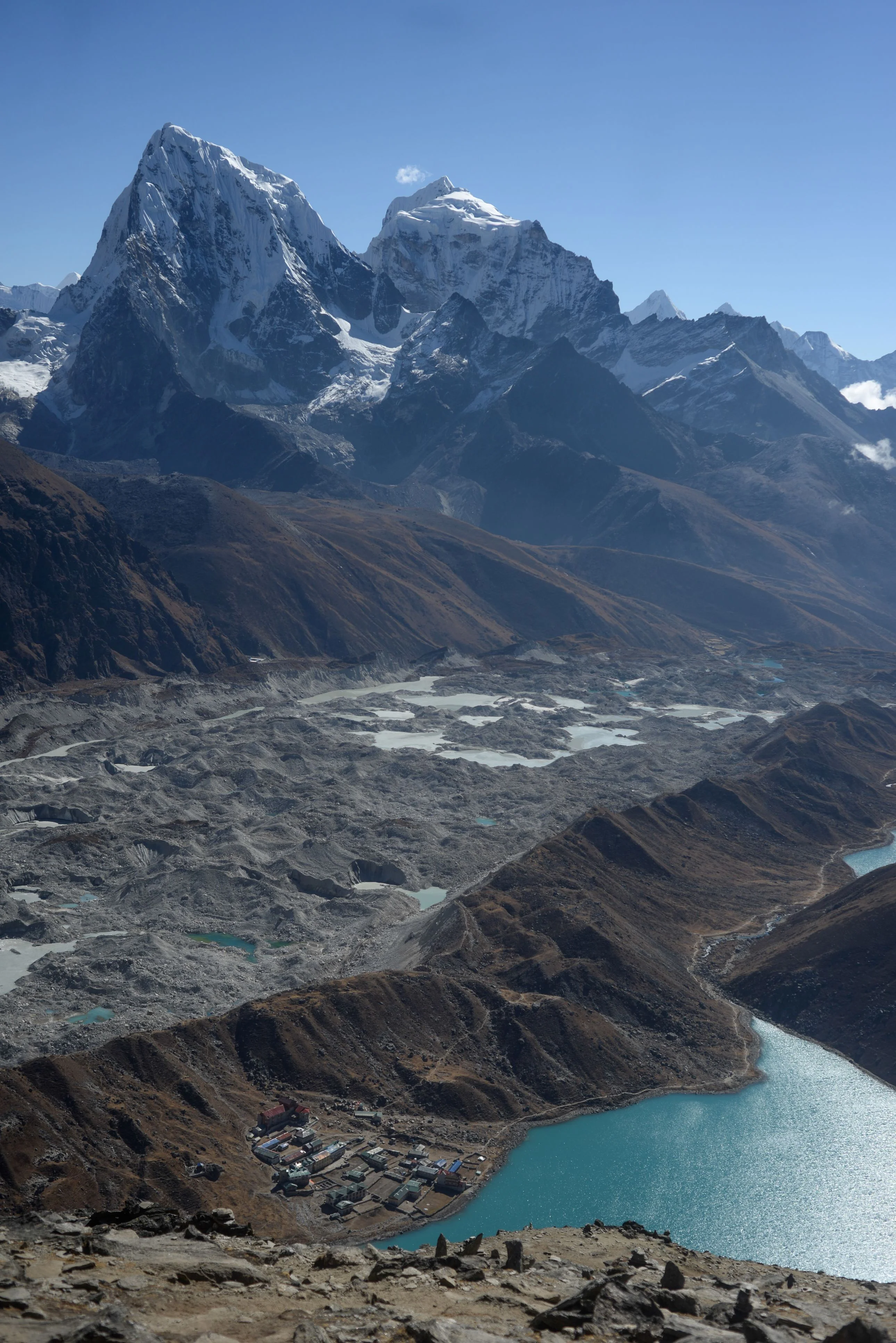
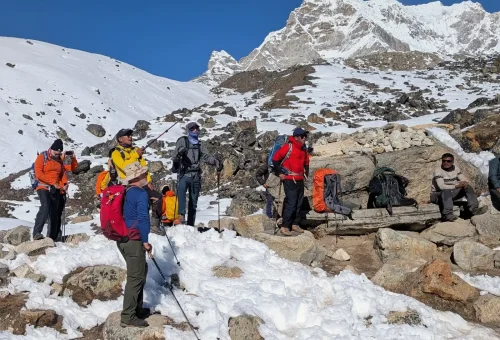
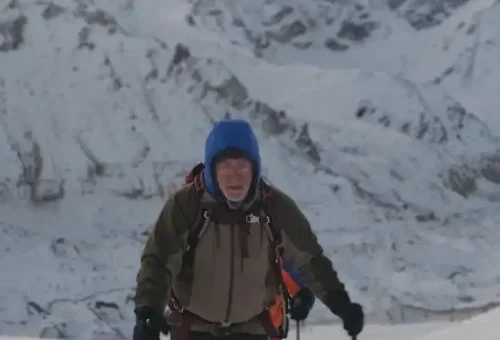
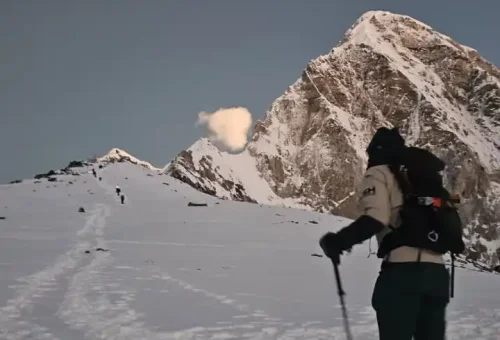
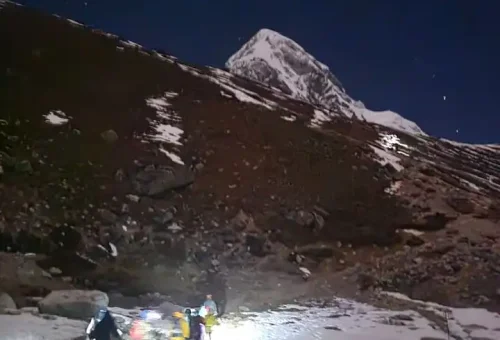
Early in the morning, you hike to Kala Patthar, the highest point of the trek. From here, you get one of the best close-up views of Mount Everest, Nuptsé, and the Khumbu Icefall. After descending, you trek down to Pheriche, where the lower altitude offers noticeable relief.
Day 12: Trek to Namche Bazaar (3,440 m / 11,286 ft)
You retrace your steps through familiar villages and forests. The descent is long but comfortable, with warmer temperatures and richer vegetation returning as you lose altitude.
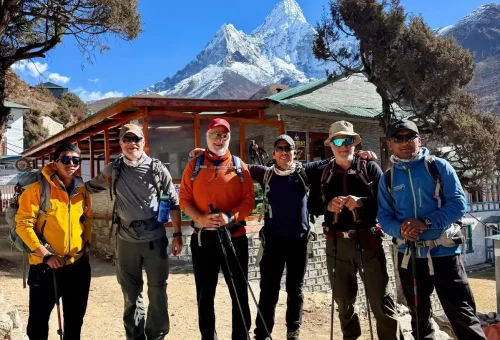
Day 13: Trek to Lukla (2,845 m / 9,383 ft)
This is your final trekking day. You follow the river valley back to Lukla, crossing suspension bridges and passing villages where the journey began. In the evening, many trekkers choose to celebrate the completion of the trek with their trekking team.
Day 14: Flight from Lukla to Ramechap & Drive to Kathmandu (1,330 m / 4,364 ft)
You take a morning flight from Lukla to Ramechap, followed by a drive back to Kathmandu. After arrival, you return to your hotel and enjoy a well-earned rest.
Day 15: International Departure
Expedition Himalaya arranges your airport transfer for international departure. As you leave Nepal, the journey concludes with lasting memories of the Everest region, its people, and the experience of standing at the foot of the world’s highest mountain.
Cost Inclusions
- Service in Kathmandu
- Airport Pick-up and Drop-off service in a private tourist vehicle
- Welcome dinner in authentic Nepali restaurant
- 3 nights accommodation in Kathmandu in Hotel Tibet (Bed & Breakfast) or similar with a twin room
- Domestic flights (Ramechap - Lukla & Lukla - Ramechap) and transfers by comfortable shuttle as per itinerary
- Government and Related Charges
- Sagarmatha National Park Permit, Khumbu Permit and all cost related to permits
- Services During Trek
- Accommodation in lodges/tea houses on a full board meal plan
- English speaking experienced local guide
- Support staff as required and their entire expenses
- Medical Kit carried by the Guide/Sardar
- The expenses of Insurance for sherpa, trekking guide and porters and salary for all staffs
Cost Exclusions
- International airfare to and from Kathmandu and Nepal Visa Fees
- Travel & medical insurance including insurance for emergency rescue & evacuation
- Meals in Kathmandu
- Personal expenses such as telephone, laundry, bottled water, bar bills, trekking/climbing gears, etc.
- Tips for Sherpa & tips for local staffs
- Cost for the daily weather forecast
- Any extra cost arising out of weather issues, natural calamities or cancellation of the program
- All other items not mentioned in the list of ‘Inclusions’
Choose a Package
selected package title
Single Rooms are subject to availability with single room supplement
Booking
Reviews

Good!
Exellent guide for solo trekking. The flexibility of the programm was good and everything worked with Expedition Himalaya.

Frequently Asked Questions
What is the best time for the trek?
The best seasons are spring (March–May) and autumn (September–November), when weather conditions are generally stable and mountain views are clear.
How difficult is the Everest Base Camp Trek?
The Everest Base Camp Trek is considered a moderate to challenging trek. No technical climbing skills are required, but you should be comfortable walking for 5–7 hours per day on mountain trails. Good physical fitness and prior trekking experience are recommended, especially at higher altitudes.
Do I need previous high-altitude experience?
Previous high-altitude trekking experience is helpful but not mandatory. The itinerary includes acclimatization days in Namche Bazaar and Dingboche to support safe altitude adaptation. Trekking at a steady pace and following guide instructions is essential.
How much weight can I carry, and are porters available?
Porters are available to carry main luggage. You will carry a daypack with personal items such as water, snacks, and layers. Porter weight limits are strictly followed for safety.
What should I do about altitude sickness?
Acclimatization days are built into the itinerary, with short hikes to higher elevations followed by rest at lower altitude. Guides monitor health daily and adjust pace as needed. Proper hydration and gradual ascent are key parts of the process.
Is drinking water safe during the trek?
Boiled and filtered water is available at lodges. Trekkers are advised to use water purification tablets or filters. Bottled water is discouraged due to environmental concerns.
What type of accommodation is available during the trek?
Accommodation during the trek is in local mountain lodges (tea houses). Rooms are simple, clean, and usually twin-shared. Bedding is provided, but a sleeping bag is recommended for warmth at higher altitudes. Facilities are basic, and comfort levels decrease as altitude increases, offering an authentic trekking experience in the Everest region.
What is the food like during the trek?
During the trek, meals are served at local mountain lodges (tea houses). The menu includes a mix of Nepalese, Tibetan, and simple Western dishes. Common meals include dal bhat (rice, lentils, and vegetables), noodles, pasta, rice, potatoes, soups, eggs, and seasonal vegetables. Meals are freshly prepared and designed to be filling and suitable for trekking at altitude. Hot drinks such as tea, coffee, and ginger lemon honey are widely available.
Are showers and electricity available?
Hot showers and charging facilities are available in most lodges for an additional cost. Services become more limited at higher altitudes.
What gear do I need for the Everest Base Camp Trek?
You will need standard high-altitude trekking gear, including good trekking boots, warm layered clothing, a down jacket, rain protection, trekking poles, and a comfortable daypack. A detailed packing list is provided before the trek. Essential items also include sunglasses, sunscreen, a water bottle or purification system, and personal medications. Expedition Himalaya assists with gear advice, and rental options are available in Kathmandu if needed.
What happens if flights to or from Lukla are delayed?
Flight delays are common due to weather. The itinerary includes buffer days where possible. Expedition Himalaya assists with logistics and alternative arrangements if delays occur.
What fitness level is recommended for this trek?
Regular cardio training, hill walking, and strength conditioning are recommended for at least 6–8 weeks before the trek. Mental endurance and consistency are equally important.
What makes Expedition Himalaya a good choice for the EBC Trek?
Expedition Himalaya focuses on well-paced itineraries, experienced local guides, and responsible trekking practices. Safety, acclimatization, and a genuine Himalayan experience are always prioritized.
Gear List

Terms and Conditions
Map

Video
Destination Map

Customize Your Trip and Get a Quote
Inquiry Form
Related Tours