Everest North Side Expedition via Tibet Route - 8848.86 M - 60 Days
60 Days
Kathmandu
Kathmandu
8848.86 M
Spring Season
Hotel, Tea house & Camping
Lhasa Flight and Road Transfers
15 pax Maximum
Join a professionally guided Everest Expedition via the North Side (Tibet Route). Climb Mount Everest (8,848.86 m) with experienced Sherpa support, structured acclimatization, and a disciplined high-altitude expedition approach from the Tibetan Plateau.
Introduction
Mount Everest known as Chomolungma in Tibet has drawn climbers to its northern flanks since the earliest days of Himalayan exploration. Rising to 8,848.86 meters, Everest is not only the highest mountain on Earth but also one of the most demanding environments in which humans operate. The North Side route presents a distinctly different Everest experience, defined by extreme altitude exposure, colder temperatures, and sustained technical climbing on exposed ridges.
The Everest North Side Expedition follows the classic North Ridge route, approached from Tibet. Unlike the Nepal side, climbers reach Everest Base Camp by vehicle across the Tibetan Plateau, allowing early exposure to high altitude without a long trekking approach. This gradual yet direct access provides a unique acclimatization advantage while shifting the expedition’s challenges toward the upper mountain rather than the approach.
From the expansive landscapes of Tibet, the expedition progresses through North Base Camp, Advanced Base Camp, and the North Col, before ascending a series of high camps along the North Ridge. The route demands strong endurance, precise movement on exposed terrain, and the ability to operate in harsh, wind-scoured conditions above 8,000 meters.
At Expedition Himalaya, the Everest North Side Expedition is designed for experienced climbers who value structure, discipline, and realism. This is a serious Everest climb, managed with careful acclimatization planning, conservative summit decision-making, and strong Sherpa support throughout the expedition.
Everest North Side Route & High Camps | Tibet Side Climbing Route
The North Side route is one of the most historically significant approaches to Mount Everest and represents the earliest era of Everest exploration. Long before the first ascent in 1953, British expeditions in the 1920s approached Everest from Tibet, making the North Ridge the original line of attempt. Pioneering climbers such as George Mallory and Andrew Irvine explored this route during the 1921, 1922, and 1924 expeditions, establishing the foundations of high-altitude mountaineering and leaving an enduring legacy on Everest’s north face.
While less traveled today than the South Col route, the North Side offers a direct and logical line to the summit, free from icefall hazards but demanding sustained performance in extreme altitude, cold, and wind. The challenges here are not moving glaciers, but long summit days, exposed ridge climbing, and prolonged time spent above 8,000 meters.
The route is supported by a sequence of high camps above Base Camp, each playing a vital role in acclimatization, logistics, and summit strategy, following a structure refined over decades of expedition experience on Everest’s original approach.
North Base Camp (5,150 m / 16,896 ft)
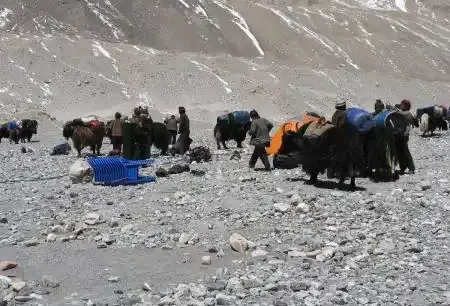
North Base Camp is accessed by road across the Tibetan Plateau, making it one of the highest vehicle-accessible base camps in the world. This allows climbers to begin acclimatizing immediately upon arrival.
Base Camp serves as the primary logistical hub, where climbers undergo initial altitude adaptation, equipment preparation, and health monitoring before moving higher. The open terrain and exposure to wind require careful camp setup and daily planning.
Advanced Base Camp – ABC (6,400 m / 21,000 ft)
Advanced Base Camp is established at the foot of the North Col and serves as the true operational center of the expedition. Climbers spend extended periods here during acclimatization rotations.
From ABC, teams assess weather conditions, prepare loads, and plan movements to the North Col. Due to its high altitude, time at ABC is carefully managed to balance acclimatization with recovery.
North Col – Camp I (7,000 m / 22,966 ft)
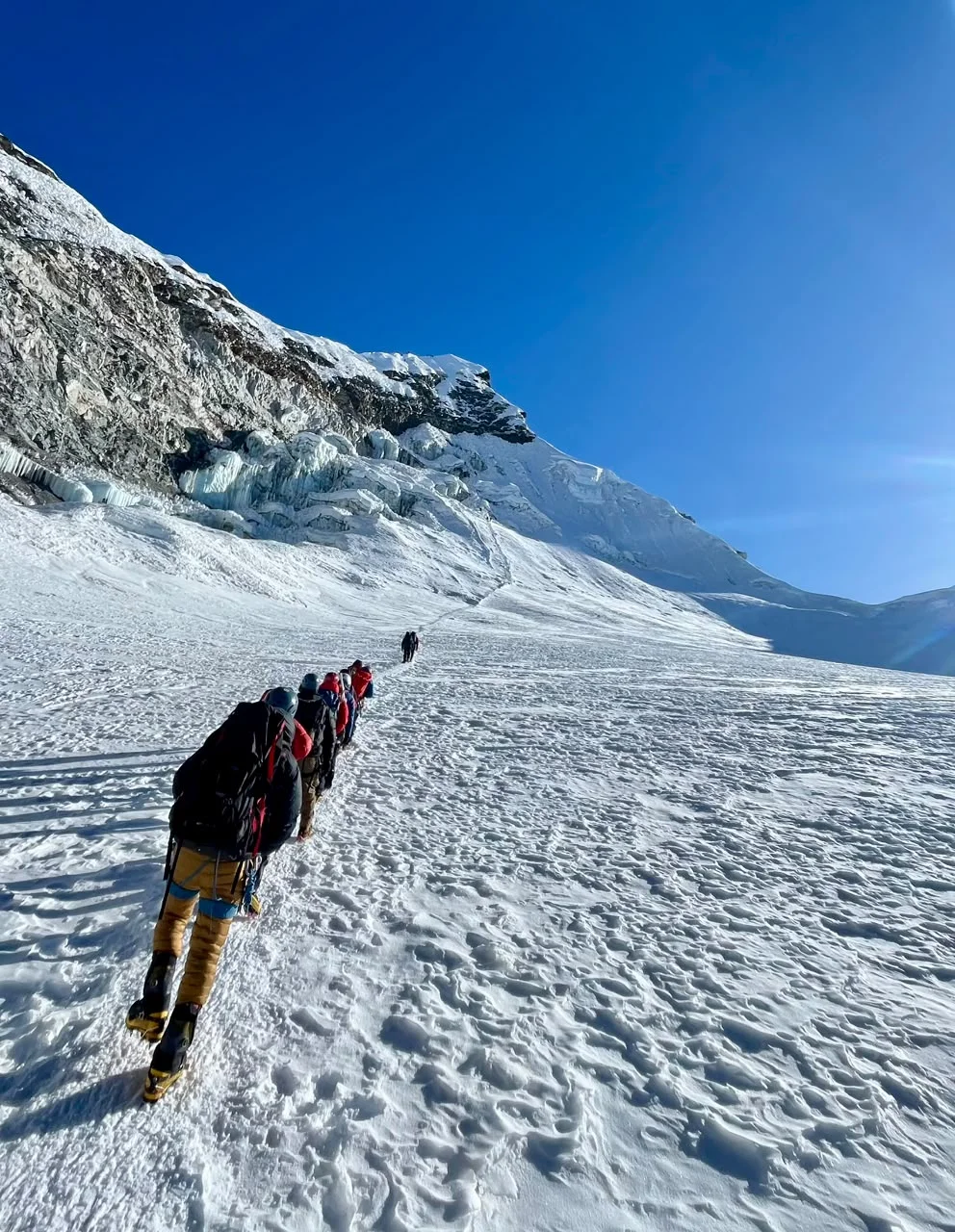
The climb to the North Col marks a significant transition into technical high-altitude climbing. Ascending steep snow and ice slopes, climbers rely on fixed ropes and strong pacing to reach Camp I.
The North Col is exposed to strong winds and cold temperatures, making it a demanding camp with limited shelter. Stays here are typically short and strategically planned.
Camp II (7,500 m / 24,606 ft)
Camp II is established higher along the North Ridge and represents sustained exposure to the Death Zone. Climbers ascending to this camp face steep terrain and increasing physiological stress.
This camp is used during final acclimatization rotations and as a key staging point for the summit push. Supplemental oxygen is commonly introduced at this stage.
Camp III (8,300 m / 27,231 ft)
Camp III is the final high camp before the summit attempt. Located on exposed terrain along the North Ridge, it is established only when a suitable weather window is confirmed.
Due to extreme altitude and exposure, time spent here is minimized. Climbers prepare for a long and demanding summit day under some of the harshest conditions found on Everest.
Mount Everest Summit (8,848.86 m) | North Ridge Route
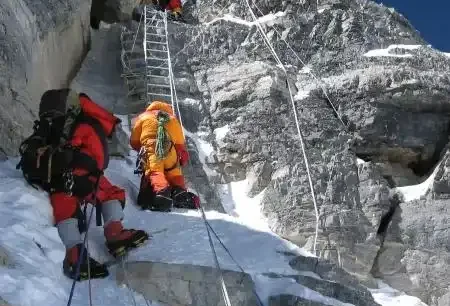
The summit push from Camp III begins late at night. Climbers follow the North Ridge toward the summit, navigating exposed traverses and steep sections secured with fixed ropes.
Key features of the route include the First, Second, and Third Steps, with the Second Step historically recognized as the most technical section. Today, fixed ladders and ropes assist climbers, though strong technique and mental focus remain essential.
Beyond the final step, the route follows a narrow ridge to the summit of Mount Everest—the highest point on Earth. Due to extreme altitude, cold, and limited oxygen availability, time on the summit is brief before a careful descent back to lower camps.
Why the Everest North Side Route?
The Everest North Side route offers a fundamentally different climbing experience compared to the South Col. By approaching Everest from Tibet, climbers avoid the hazards of the Khumbu Icefall, shifting objective risks away from moving glaciers toward sustained exposure to cold, strong winds, and prolonged time at extreme altitude. Road access to Base Camp across the Tibetan Plateau allows early acclimatization and a more direct transition into the climbing phase, while the route itself follows a logical and established progression along the North Ridge. As the original line of attempt during the early Everest expeditions of the 1920s, the North Side also carries deep historical significance in the evolution of high-altitude mountaineering. However, these advantages come with greater demands: longer summit days, harsher temperatures, limited evacuation options, and the need for strong physical and mental resilience above 8,000 meters. For climbers with prior high-altitude experience who value discipline, technical challenge, and historical context, the North Side remains a serious and respected route to the summit of Mount Everest.
Itinerary
Day 1: Arrive Kathmandu (1330m)
Arrive at Tribhuvan International Airport, where a team representative will greet you and assist with your transfer to the hotel. Attend an expedition briefing in the evening and start preparing for the journey.
Day 2 - 4: Rest/Preparation and Paperwork
These days will be dedicated to exploring Kathmandu’s cultural landmarks, such as Swayambhunath and Pashupatinath. While you immerse yourself in the rich heritage, the team will assist with visa formalities, permits, and logistical preparations for the expedition. You will also check and finalize your climbing gear to ensure everything is in order.
Day 5: Flight to Lhasa (3,650 m / 11,975 ft)
A scenic flight will take you to Lhasa, offering stunning views of the Himalayan range. Upon landing, you will be transferred to your hotel to rest and begin acclimatizing to the altitude. The day provides an opportunity to relax and prepare for the journey ahead.
Day 6 - 7: Exploration and Acclimatization in Lhasa
Spend two days exploring Lhasa’s iconic sites, including the Potala Palace, Jokhang Temple, and the bustling Barkhor Street. These visits not only provide cultural insight but also help with gradual acclimatization. Evenings will be reserved for relaxation and briefing about the next phase of the journey
Day 8: Drive to Shigatse (3,900 m / 12,795 ft)
Embark on a scenic drive to Shigatse, the second-largest city in Tibet. You’ll pass through picturesque landscapes and traditional Tibetan villages before arriving at your hotel. Use the time to rest and adjust to the higher altitude.
Day 9: Drive to Tingri (4,300 m / 14,108 ft)
Continue your journey with a drive to Tingri, enjoying the vast openness of the Tibetan Plateau. Once you arrive, settle into your accommodation and prepare for the upcoming climb. The day ends with time for rest and altitude adjustment.
Day 10: Drive to Chinese Base Camp (4,800 m / 15,748 ft)
Travel to the Chinese Base Camp, the starting point of the expedition. The drive offers spectacular views of surrounding mountains. Upon arrival, you’ll set up camp and begin acclimatizing to the higher altitude while preparing for the challenging days ahead.
Day 11 - 12: Rest, Preparation, and Acclimatization Days
Spend two days at the Chinese Base Camp focusing on rest and acclimatization to ensure your body adjusts to the altitude. Use this time to organize climbing gear, review expedition plans, and prepare mentally and physically for the ascent. These days are crucial for building strength and minimizing the risk of altitude sickness.
Day 13: Puja Ceremony at Base Camp
Participate in a traditional Puja ceremony, a sacred Tibetan ritual seeking blessings from the mountain deities for a safe and successful climb. This ceremony fosters unity among the team and honors the spiritual significance of the journey. The rest of the day will be spent finalizing preparations.
Day 14 - 54: Climbing Period (8,201 m / 26,906 ft)
This is the core phase of the expedition as you make your way to the summit of the mountain. The process involves establishing multiple camps at higher altitudes, acclimatizing at each stage, and undertaking practice climbs to build stamina. With patience, teamwork, and determination, you will strive to reach the summit and return safely to base camp.
Day 55: Rest, Summit Success Celebration, and Final Pack-up
After the rigorous climb, spend the day resting at base camp and celebrating your achievement with the team. Reflect on the journey and begin packing up your equipment for the return trip.
Day 56: Drive to Tingri (4,300 m / 14,108 ft)
Leave the Chinese Base Camp and embark on a drive back to Tingri. The journey provides a chance to relax and enjoy the scenic Tibetan landscape once again. Upon arrival, settle into your accommodation and rest.
Day 57: Drive to Kyirong – Cross Border ‘Friendship Bridge’ (1,450 m / 4,757 ft)
Continue your drive to Kerung and cross the Friendship Bridge, marking your re-entry into Nepal. Once you reach Kerung, enjoy the lower altitude and scenic surroundings as you prepare for your journey back to Kathmandu.
Day 58: Drive to Kathmandu (1,330 m / 4,364 ft) / Optional Helicopter Flight
Take a scenic drive back to Kathmandu, offering final views of the Himalayan landscape along the way. Upon arrival, transfer to your hotel and enjoy the remainder of the day at leisure for rest or independent exploration.
Day 59: Rest Day in Kathmandu (1,330 m / 4,364 ft)
Spend the day recovering from the expedition and enjoying the comforts of Kathmandu. Reflect on the incredible journey, do some souvenir shopping, or relax at your hotel.
Day 60: International Departure
On your final day, the team will assist you with your departure arrangements. You will be transferred to Tribhuvan International Airport for your flight back home, carrying unforgettable memories of your adventure.
Includes
- SERVICE IN KATHMANDU
- Airport pick-up and drop-off in a private tourist vehicle, including all transfers as per the itinerary
- Welcome dinner at a traditional Nepali restaurant
- 6 nights accommodation in Kathmandu at a 4-star category hotel on a bed and breakfast (BB) basis, twin-sharing rooms
- Guided sightseeing tour within the Kathmandu Valley as per the program
- International flight from Kathmandu to Lhasa
- GOVERNMENT & RELATED CHARGES
- Everest climbing permit and royalty fees USD 15,000++ per foreign climberUSD 5,000 per Nepali climber
- CTMA climbing permit for members and guides, including Tibet visa fees
- Route fixing charges from higher camps to the summit
- Government-mandated garbage deposit fees
- Official summit certificates issued by the respective authorities
- SERVICES DURING TRAVEL IN TIBET
- Accommodation in Hotel/tea houses on a full board meal plan
- Transfers by comfortable tourist vehicle as per itinerary
- Sightseeing in Lhasa (Potala Palace, Jokhang Temple, Sera Monastery, Norbulingka) and Tingri
- English speaking experienced local guide
- Medical Kit carried by the Guide/Sardar
- BASECAMP SERVICE
- Base Camp Accommodation with an individual sleeping tent with mattress
- Base Camp service (shared with the group) includes a kitchen tent with the cook, kitchen boy, dining tent with tables and chairs, shower tent, toilet tent, storage tent, gas heater, solar panel, etc.
- Three meals per day at Base Camp, including snacks, hot tea, and coffee
- EXPEDITION SERVICE
- Supplementary oxygen supply: 5 oxygen cylinders for each climber, 4 oxygen cylinders for each climbing Sherpa including mask and regulator, one additional oxygen set reserved for emergency use
- High camp tents on a shared basis
- EPI gas and high-altitude food with high-calorie nutritional planning during the climb
- One-to-one (1:1) climbing Sherpa support for each climber during the ascent
- Walkie-talkie communication and satellite phone (call charges applicable)
- Sherpa remuneration and load-carrying bonuses (excluding summit bonus)
- All climbing equipment, transportation, accommodation, meals, and salaries for Sherpas and expedition staff
- Insurance coverage and salaries for Sherpas, trekking guides, porters, and all expedition staff
Excludes
- International airfare to and from Kathmandu, and Nepal visa fees
- Personal travel and medical insurance, including coverage for emergency rescue and evacuation
- Personal medicines, medical tests, and hospitalization expenses
- Lunches and dinners in Kathmandu (except welcome and farewell dinners), and all meals in Kerung and Tingri
- Personal expenses such as telephone calls, laundry, bottled water, bar bills, and similar items
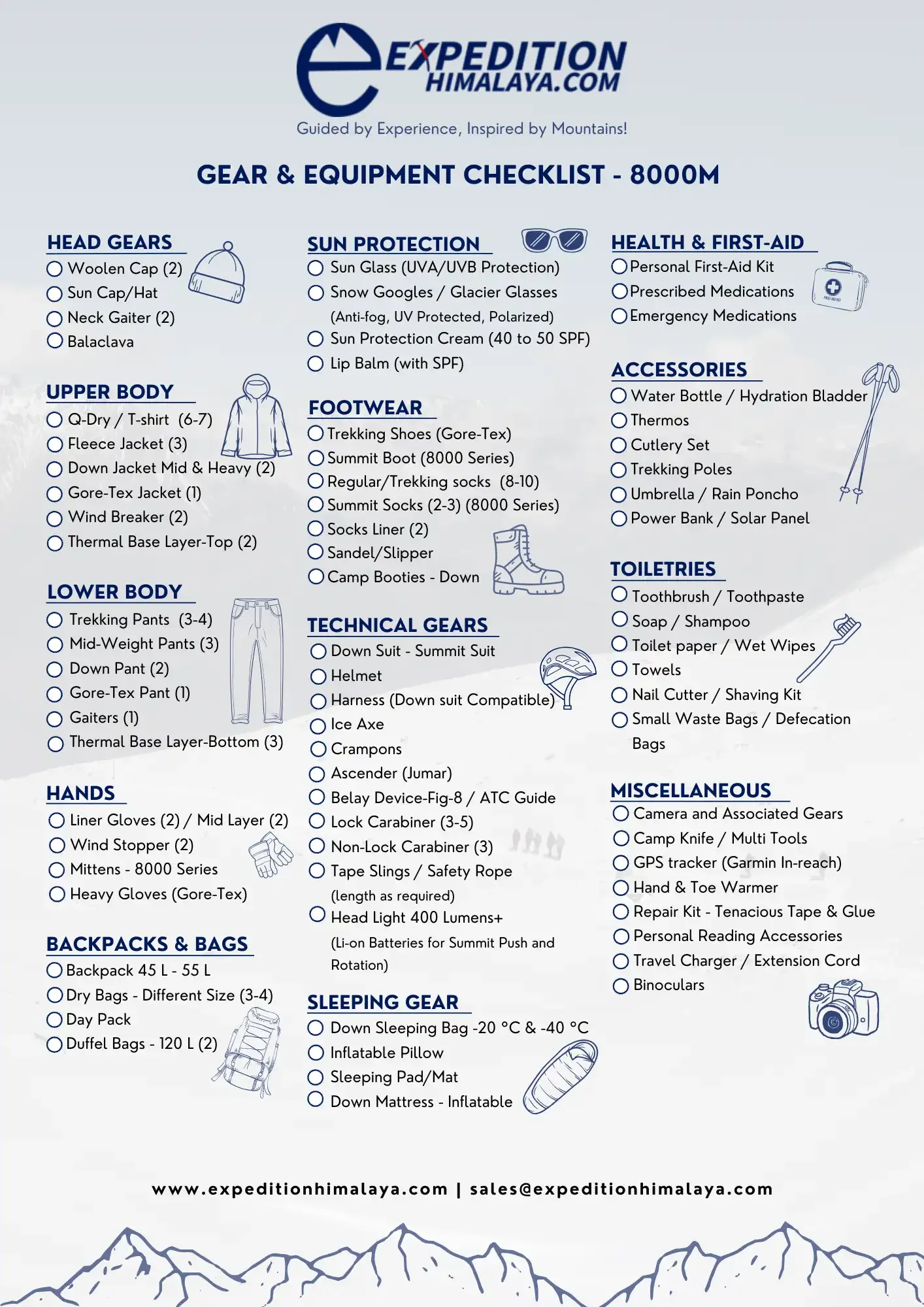
- Personal trekking and climbing gear (available for rent upon request)
- Summit bonus of USD 1,500 for climbing Sherpa
- Additional costs arising from natural calamities, political disturbances, flight cancellations, or changes to the itinerary
- Any other expenses not specifically mentioned under “Price Includes”
Reviews

Good!
Exellent guide for solo trekking. The flexibility of the programm was good and everything worked with Expedition Himalaya.

Frequently Asked Questions
Is the Everest North Side route safer than the South Col route?
The North Side route is often considered safer in terms of objective hazards because it avoids the Khumbu Icefall, which is one of the most dangerous sections on the South side. However, the North Side presents different challenges, including extreme cold, strong winds, longer summit days, and prolonged exposure above 8,000 meters. Safety ultimately depends on experience, acclimatization, weather conditions, and disciplined decision-making.
What is the main difference between Everest North and South routes?
The primary difference lies in approach, terrain, and risk profile. The North Side is accessed from Tibet by road to Base Camp and involves technical ridge climbing and harsher weather conditions. The South Col route involves a long trek through the Khumbu Valley and repeated crossings of the Khumbu Icefall but generally offers more rescue and evacuation options.
Is prior high-altitude experience required for the North Side expedition?
Yes. The Everest North Side Expedition is recommended only for climbers with significant high-altitude experience, ideally including previous climbs above 7,000 meters. Strong endurance, cold tolerance, and the ability to operate for extended periods at extreme altitude are essential.
How do climbers acclimatize on the North Side?
Acclimatization is achieved through progressive rotations between Base Camp, Advanced Base Camp, the North Col, and higher camps. Road access to Base Camp allows climbers to begin acclimatizing earlier, but time spent at higher camps is carefully managed to balance adaptation and recovery.
What are the main technical challenges on the North Side?
Key challenges include steep snow and ice climbing, exposed ridge sections, and the famous First, Second, and Third Steps on the North Ridge. While fixed ropes and ladders are used, strong climbing technique and mental focus are required, especially at extreme altitude.
How long does the Everest North Side Expedition take?
The expedition generally lasts 55–65 days, depending on acclimatization progress, weather windows, and summit conditions. Delays are common, and flexibility is essential.
Are rescue and evacuation options available on the North Side?
Rescue options on the North Side are more limited than on the Nepal side. Helicopter evacuations are restricted at high altitude, and most rescues rely on ground support and coordination from Base Camp. This makes conservative planning and self-sufficiency especially important.
Terms and Conditions
Map

Customize Your Trip and Get a Quote
Inquiry Form
Related Tours