Kanchenjunga Base Camp Trek (North & South) - 22 Days
22 Days
Kathmandu
Kathmandu
5143 m
Spring and Autumn
Hotel / Tea house
Domestic Flight | Jeep
10 Pax
2
Far Eastern Nepal – Kanchenjunga Region
The Kanchenjunga Base Camp Trek is a remote and rewarding journey to the base of Kanchenjunga, the world’s third highest mountain. This trek follows the quiet Ghunsa Valley and visits both the North Base Camp (Pangpema) and South Base Camp (Oktang) in one well planned route. Walking through traditional villages, forests, high alpine valleys, and glacial landscapes, the journey offers a true wilderness experience far from busy trekking trails. It is ideal for trekkers who seek adventure, natural beauty, and one of Nepal’s least explored trekking regions.
Introduction
The Kanchenjunga Base Camp Trek takes you into one of the most remote and least visited parts of the Nepal Himalaya. Located in far eastern Nepal, this trek leads to the base of Kanchenjunga (8,586 m), the third highest mountain in the world. The route remains quiet and untouched by mass tourism, making it ideal for trekkers who want to experience the Himalaya in a raw and natural setting. Here, the trails are peaceful, the landscapes feel wild, and local life continues much as it has for generations.
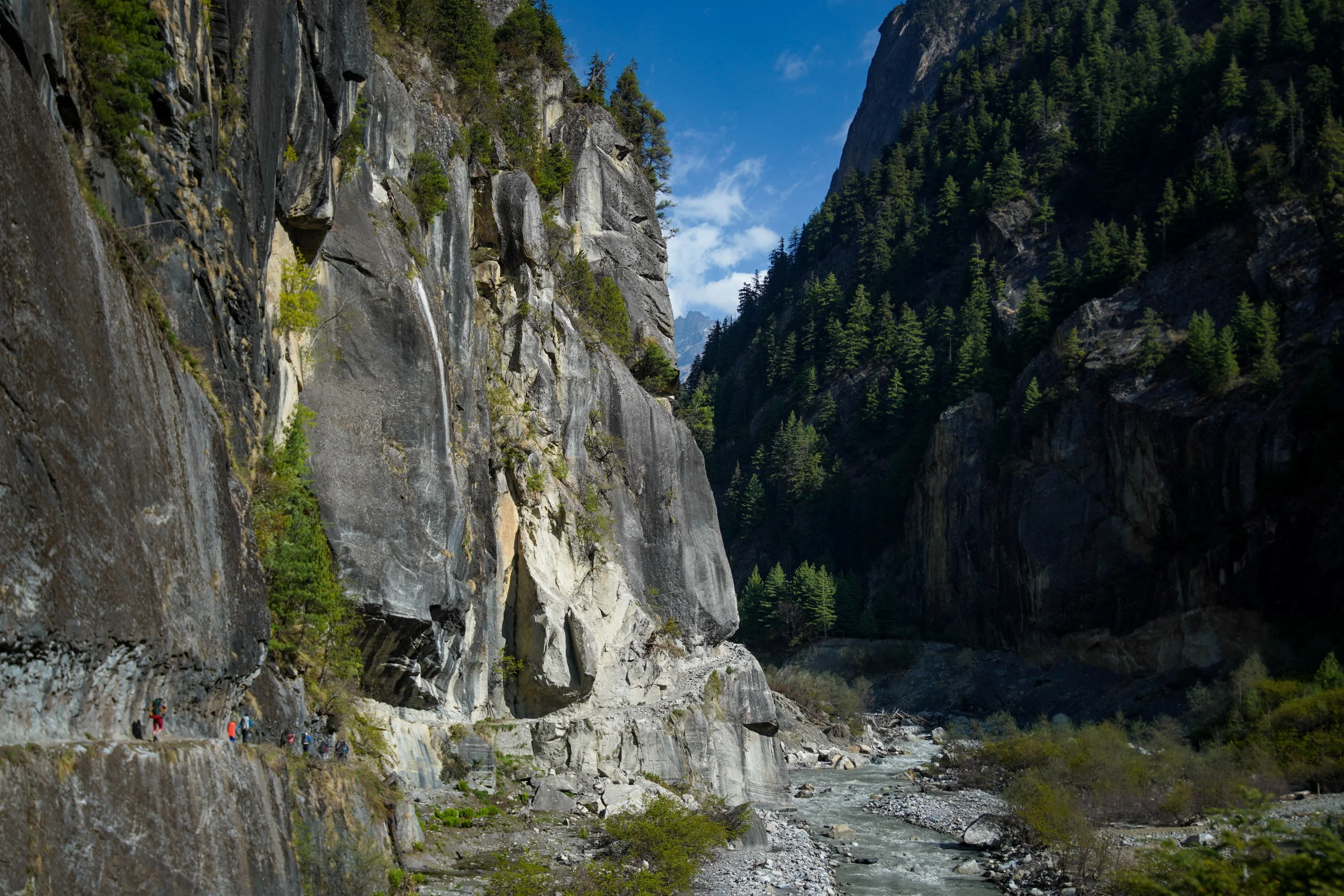
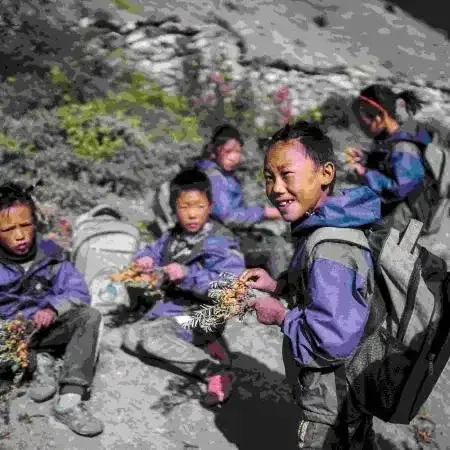
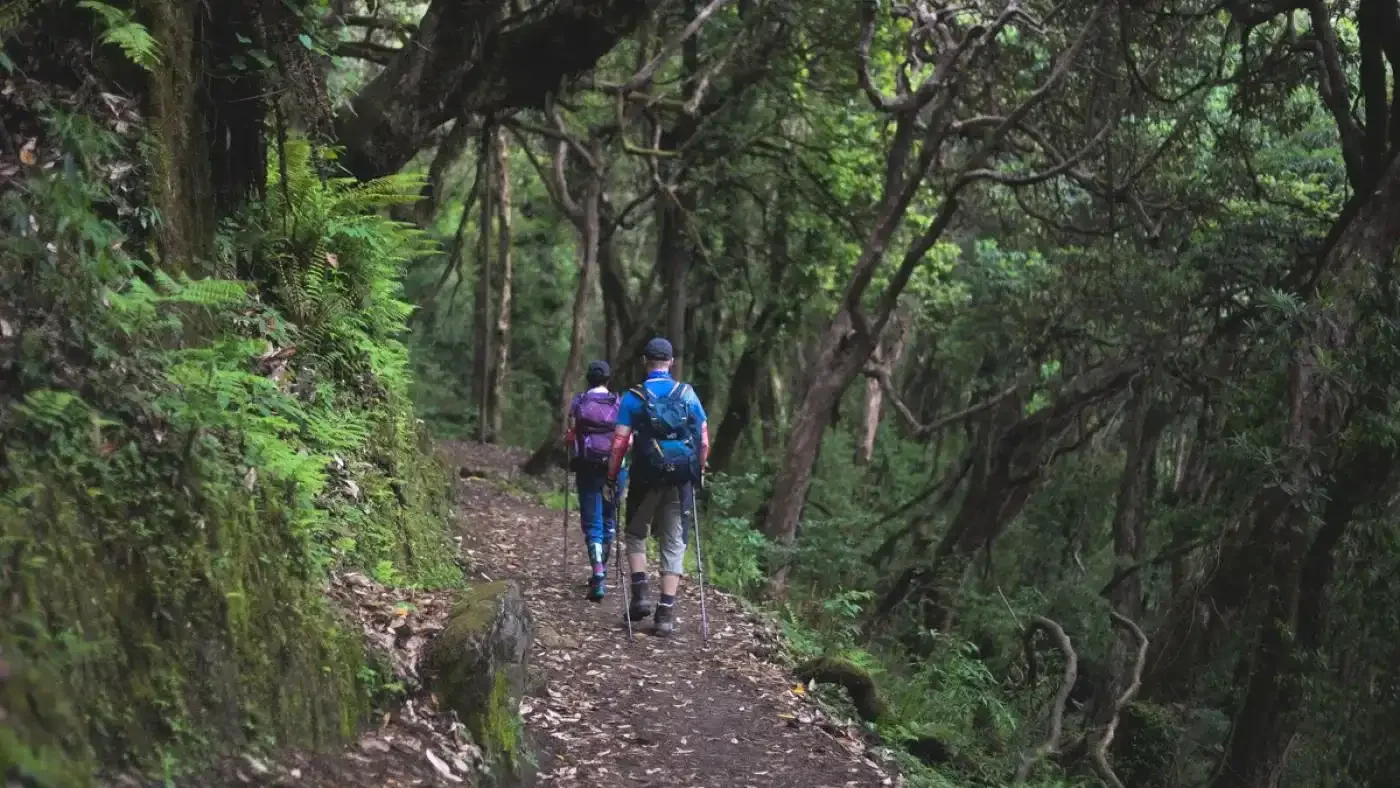
The trek follows the Ghunsa Valley, slowly moving from low altitude villages and dense forests into high mountain terrain and glacial landscapes. In the lower sections, the trail passes through forests of bamboo, rhododendron, and oak, before opening into alpine valleys with wide views and rugged terrain. Along the way, you stay in traditional Limbu and Sherpa villages where Tibetan Buddhist culture is part of daily life. Prayer flags, monasteries, stone houses, and friendly local communities reflect a strong connection between people and mountains.
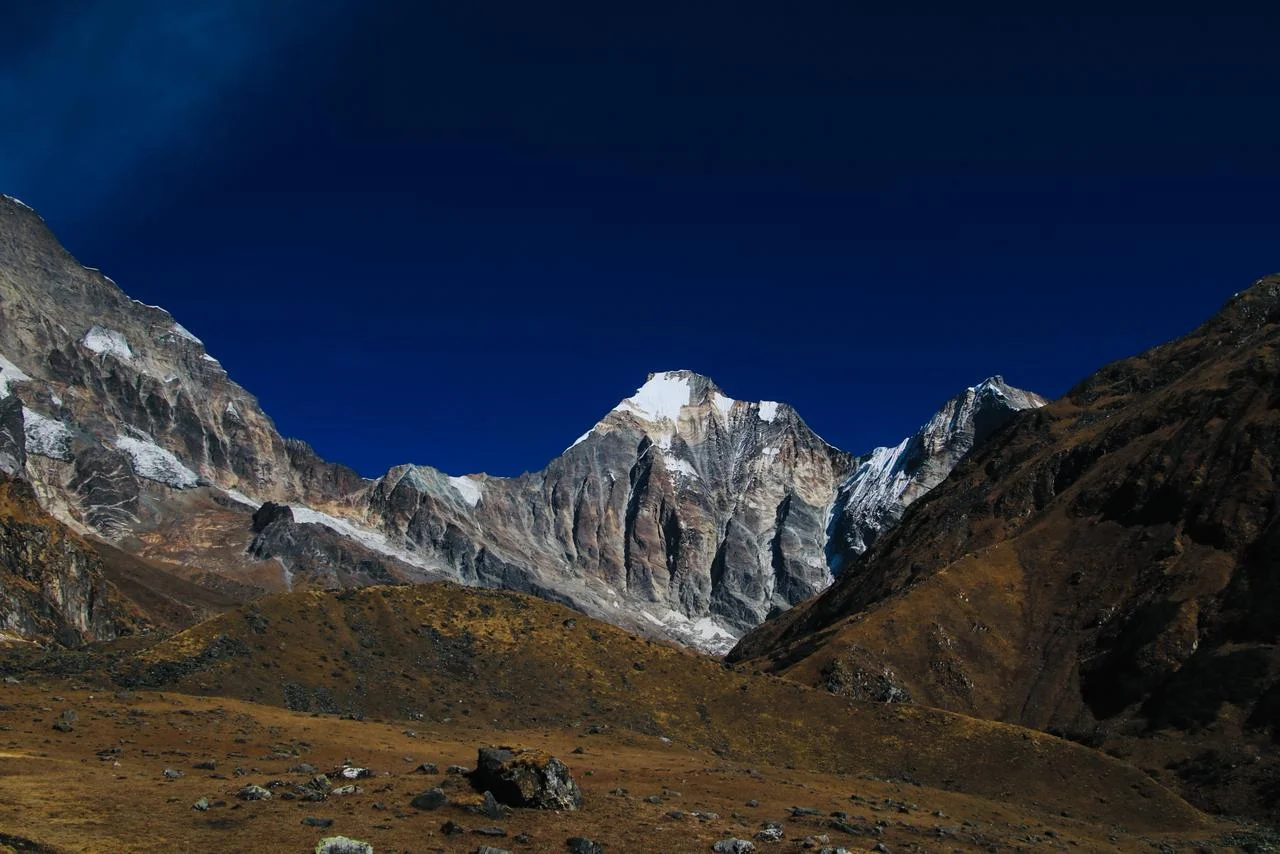
One of the main highlights of this trek is the opportunity to visit both the North Base Camp and the South Base Camp of Kanchenjunga in a single, well planned journey. At Pangpema, the North Base Camp, you stand directly below the massive north face of the mountain, surrounded by icefalls and towering Himalayan walls. On the southern side, the trail follows the Yalung Glacier to Oktang, the South Base Camp, where the view of Kanchenjunga’s south face is dramatic and powerful. The itinerary includes proper acclimatization days, which helps make the journey safer and more comfortable despite the high altitude and remote location.
The Kanchenjunga Base Camp Trek is physically demanding and best suited for trekkers with good fitness and previous trekking experience. In return, it offers true solitude, wide mountain views, and a strong sense of exploration that is difficult to find on more popular routes like Everest or Annapurna. Designed in Expedition Himalaya’s style, this trek focuses on realistic pacing, safety, and meaningful travel. It is not just a trek to a destination, but a complete journey through one of Nepal’s last great wilderness trekking regions.
Trip Highlights – Kanchenjunga Base Camp Trek
- Remote Far-Eastern Himalayan Wilderness: Trek deep into Nepal’s far-eastern Himalaya on quiet, less-traveled trails, far from the busy routes of Everest and Annapurna.
- North & South Base Camps of Kanchenjunga: Visit both the North Base Camp (Pangpema) and South Base Camp (Oktang) of Kanchenjunga, the world’s third-highest mountain. Experience close-up views of massive icefalls, glaciers, and the dramatic north and south faces of the mountain.
- Ghunsa Valley & High Mountain Culture: Trek through the beautiful Ghunsa Valley and stay in traditional Limbu and Sherpa villages, where Tibetan Buddhist culture, monasteries, prayer flags, and stone houses reflect a deep connection to the mountains.
- True Expedition-Style Trekking Experience: With long trekking days, remote settlements, and limited infrastructure, this trek offers an authentic Himalayan experience suited for trekkers seeking adventure, challenge, and raw natural beauty.
- Wildlife & Natural Heritage: Trek within the Kanchenjunga Conservation Area, home to rare wildlife such as red panda habitat, blue sheep, marmots, and diverse Himalayan birdlife, adding a unique natural dimension to the journey.
Itinerary
Day 1: Arrive in Kathmandu (1,330 m / 4,364 ft)
Upon arrival at Tribhuvan International Airport, you are met by our team and transferred to a comfortable 3-star category hotel in Kathmandu. After check-in, there is time to rest and recover from your journey. In the evening, we meet for a welcome briefing where the guide explains the overall plan, trekking conditions, altitude awareness, and what to expect during this remote trek.
Day 2: Rest & Trek Preparation Day in Kathmandu (1,330 m / 4,364 ft)
Today is reserved for trek preparation. All necessary permits for the restricted Kanchenjunga region are finalized, and your guide checks trekking equipment to ensure everything is suitable for long and remote trekking days. This preparation day allows you to start the trek with confidence and clarity.
Day 3: Fly to Bhadrapur and Drive to Phidim (1,200 m / 3,937 ft)
An early morning flight takes you from Kathmandu to Bhadrapur in eastern Nepal. From here, the journey continues by road to Phidim, gradually climbing into the green hills of Ilam. The drive passes tea gardens, rivers, and traditional villages, offering a relaxed introduction to rural eastern Nepal.
Day 4: Drive to Sekathum (1,650 m / 5,413 ft)
Today we continue our drive from Phidim toward Sekathum, driving deeper into the hills of eastern Nepal. The route follows narrow mountain roads, passing small villages, terraced farmland, and forested hills. Sekathum is the final practical road access point on the Kanchenjunga Base Camp Trek and marks the trek starting point to the remote Ghunsa Valley.
Day 5: Trek to Amjilosa (2,510 m / 8,235 ft)
The trek begins with a challenging day through dense forest. The trail involves steep ascents and descents, narrow trails, and several suspension bridge crossings over fast-flowing rivers. The surroundings are lush and humid, with bamboo, ferns, and thick vegetation. Amjilosa is a small riverside camp set deep in the forest.
Day 6: Trek to Gyabla (2,730 m / 8,957 ft)
Today’s trek continues along the valley with gradual altitude gain. The air feels cooler and fresher. This area lies within red panda habitat, although sightings are rare. Gyabla is a small settlement in a wider alpine valley.
Day 7: Trek to Ghunsa (3,475 m / 11,401 ft)
The trail climbs gently toward Ghunsa, following the river through pine and juniper forests. Snow-capped peaks start to appear more clearly. Ghunsa is a large Sherpa village with strong Tibetan cultural influence, stone houses, prayer flags, and a monastery. It serves as an important acclimatization and logistics base.
Day 8: Acclimatization Day at Ghunsa (3,475 m / 11,401 ft)
This day is dedicated to acclimatization. Short hike are taken above the village to help the body adjust to altitude, while the night is spent at the same elevation. There is time to explore the village, visit the monastery, and enjoy views of the surrounding mountains and valleys.
Day 9: Trek to Khambachen (4,050 m / 13,287 ft)
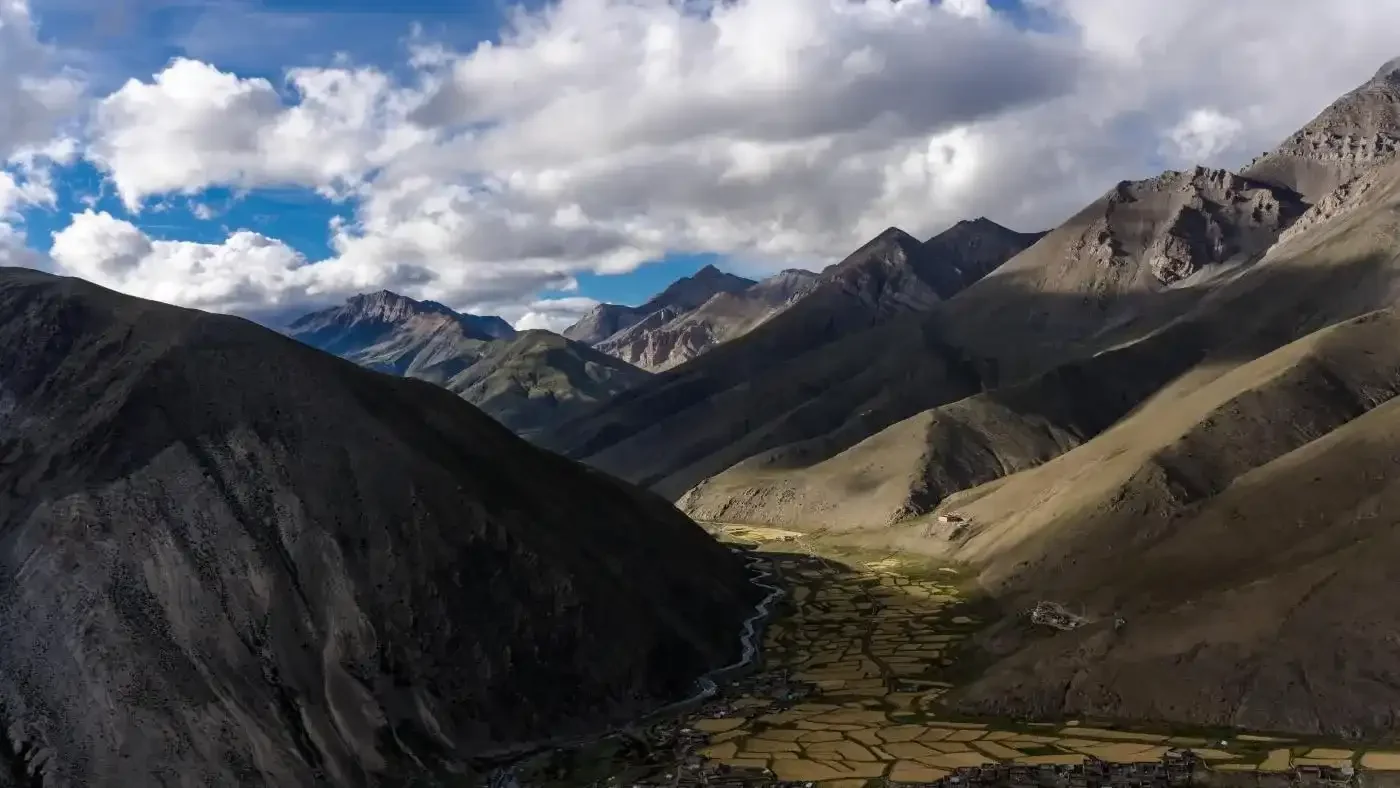
Leaving Ghunsa, the trail enters a high alpine environment. Trees gradually disappear, replaced by rocky terrain and alpine shrubs. The trek follows glacial streams through open valleys, with impressive views of Jannu (Kumbhakarna). Khambachen is a small settlement surrounded by dramatic mountain scenery.
Day 10: Acclimatization Day at Khambachen (4,050 m / 13,287 ft)
Another acclimatization day allows the body to adapt before moving higher. Short hikes are taken toward nearby ridges and viewpoints, offering views of the Kanchenjunga range and surrounding glaciers. The landscape here is dry, cold, and very open
Day 11: Trek to Lhonak (4,780 m / 15,682 ft)
The trail climbs gradually through a wide glacial valley. The landscape feels vast and remote, with moraine trails, rocky ground, and distant icefalls. Vegetation is very limited at this altitude. Lhonak is a basic high-altitude settlement used by trekkers and climbers.
Day 12: Hike to Kanchenjunga North Base Camp, Pangpema (5,143 m / 16,873 ft) and return to Lhonak (4,780 m / 15,682 ft)
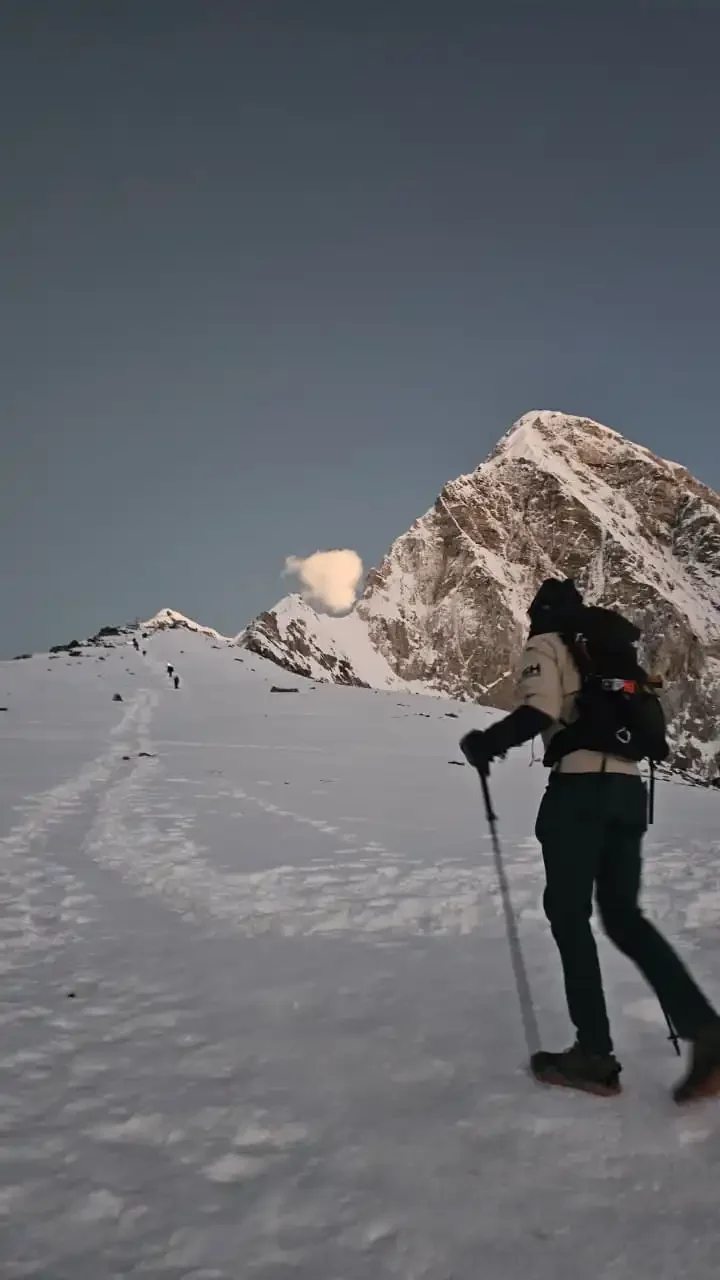
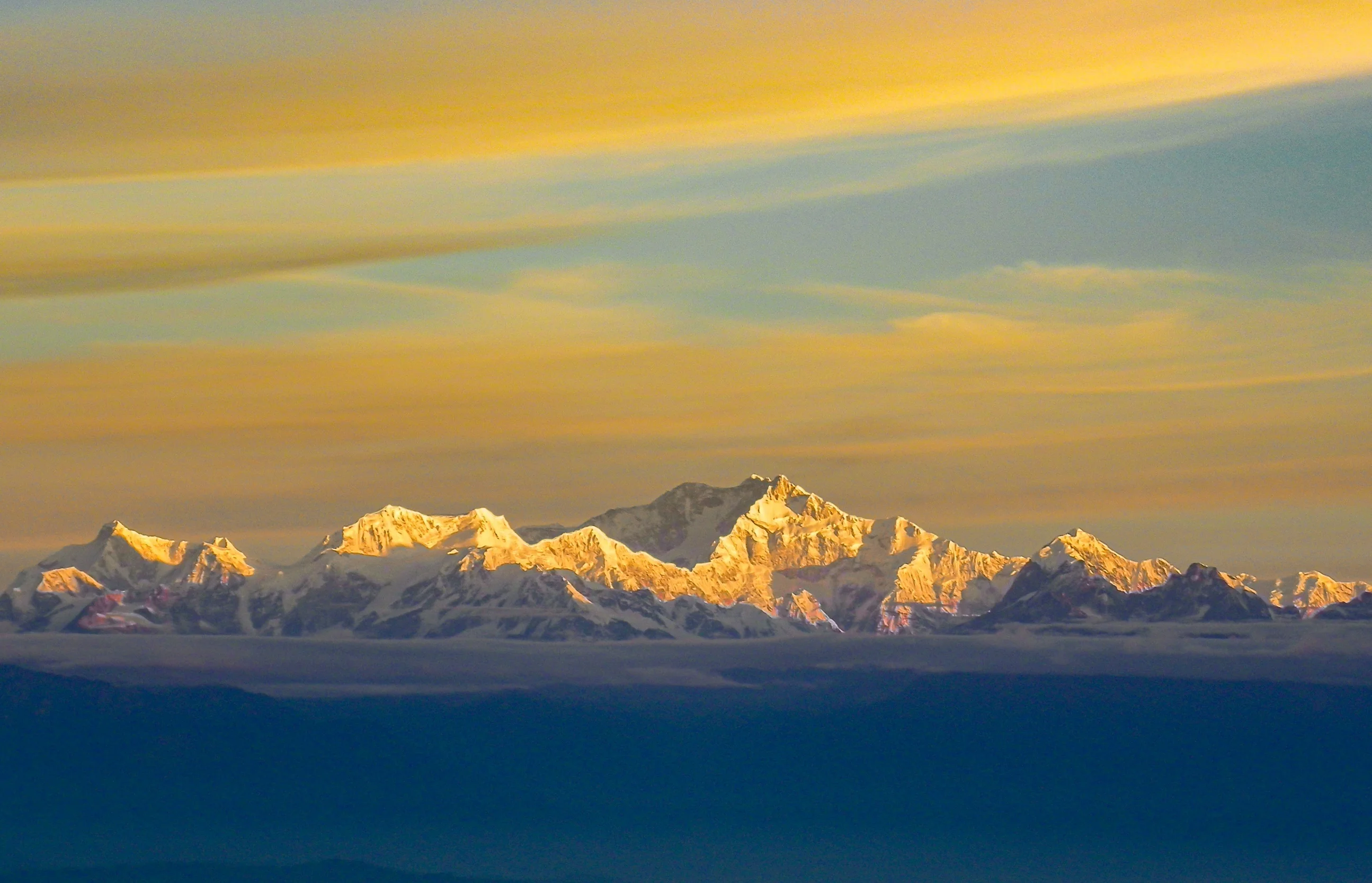
This is one of the most memorable days of the trek. The trail follows the glacier to Pangpema, directly below the massive north face of Kanchenjunga. From here, the main summit and surrounding peaks rise dramatically above the icefalls. After spending time at base camp, the trail returns to Lhonak for overnight.
Day 13: Trek back to Ghunsa (3,475 m / 11,401 ft)
The route descends back through the valley to Ghunsa. Trekking downhill helps the body recover after the highest point of the trek, and familiar landscapes appear different from a new perspective.
Day 14: Trek to Sele La Kharka (4,200 m / 13,780 ft)
Leaving the main valley, the trail climbs into a quieter and less-visited area. The terrain becomes more open and exposed, with alpine meadows and rocky slopes. This section feels remote and adds a strong expedition character to the trek.
Day 15: Cross Sele La Pass (4,290 m / 14,075 ft) and Trek to Tseram (3,870 m / 12,697 ft)
After crossing Sele La Pass, wide mountain views open up, including peaks such as Jannu and Kabru. The trail then descends into the southern side of the Kanchenjunga region, reaching Tseram, a scenic settlement surrounded by alpine terrain.
Day 16: Trek to Ramche (4,580 m / 15,026 ft)
The trail follows the Yalung Glacier as we move higher into the southern side of the Kanchenjunga region. The landscape becomes more rugged and alpine, with rocky ground, glacial streams, and wide open valleys. As we reach Ramche, views of surrounding peaks and hanging glaciers become increasingly dramatic. Ramche is a high-altitude settlement used as the base for visiting the South Base Camp of Kanchenjunga.
Day 17: Hike to Kanchenjunga South Base Camp, Oktang (4,730 m / 15,518 ft) and Trek to Tortong (2,995 m / 9,826 ft)
An early start takes us from Ramche along the Yalung Glacier toward Oktang, the South Base Camp of Kanchenjunga. The trail leads through a raw glacial landscape, with the massive south face of Kanchenjunga rising above icefalls and moraine walls. After spending time at Oktang and enjoying close-up views of the mountain and surrounding peaks, we begin a long descent. The trail gradually drops into greener terrain, passing alpine meadows and forested sections before reaching Tortong for overnight. This is a demanding but highly rewarding day, combining the trek’s final base camp highlight with a significant descent to safer altitude.
Day 18: Trek from Tortong to Yamphudin (2,080 m / 6,824 ft)
The final trekking day follows forest trails and ridges back to Yamphudin. As altitude decreases, the vegetation becomes greener and the climate warmer, marking the completion of the trekking circuit.
Day 19: Drive to Phidim / Ilam
We leave the trekking region and begin the drive back through eastern hill towns and farmland.
Day 20: Drive to Bhadrapur and Fly to Kathmandu
After reaching Bhadrapur, we fly back to Kathmandu. On arrival, transfer to your 3-star category hotel, where the rest of the day is free.
Day 21: Rest Day in Kathmandu
This spare day is kept for rest or any weather or travel delays, ensuring the itinerary remains flexible and safe.
Day 22: International Departure
A traditional Nepali farewell is offered before your airport transfer. You depart Nepal carrying memories of the Himalayas, the trekking team, and the experience of standing on the base of world’s third highest mountain.
Includes
- SERVICE IN KATHMANDU
- Airport Pick-up and Drop-off service in a private tourist vehicle
- Welcome dinner in Nepali restaurant
- 4 nights accommodation in 3-star category hotel with Bed and Breakfast Meal Plan in a Twin sharing basis
- Domestic Flights (Kathmandu - Bhadrapur - Kathmandu) and transfers by comfortable shuttle as per itinerary
- Transfers by jeep as per the itinerary
- GOVERNMENT AND RELATED CHARGES
- Kanchenjunga Conservation Area Permits, restricted area permits and all cost related to permits
- SERVICES DURING TREK
- Accommodation in lodges/tea houses on a full board meal plan
- English speaking, trained & experienced local guide
- Porters as required and their entire expenses
- Medical Kit carried by the Guide/Sardar
- Transfers by jeep as per itinerary
- The expenses of Insurance for sherpa, trekking guide and porters and salary for all staffs
Excludes
- International airfare to and from Nepal and Nepal Visa Fees
- Travel and medical insurance (must include high-altitude trekking and emergency evacuation)
- Meals in Kathmandu (except breakfast)
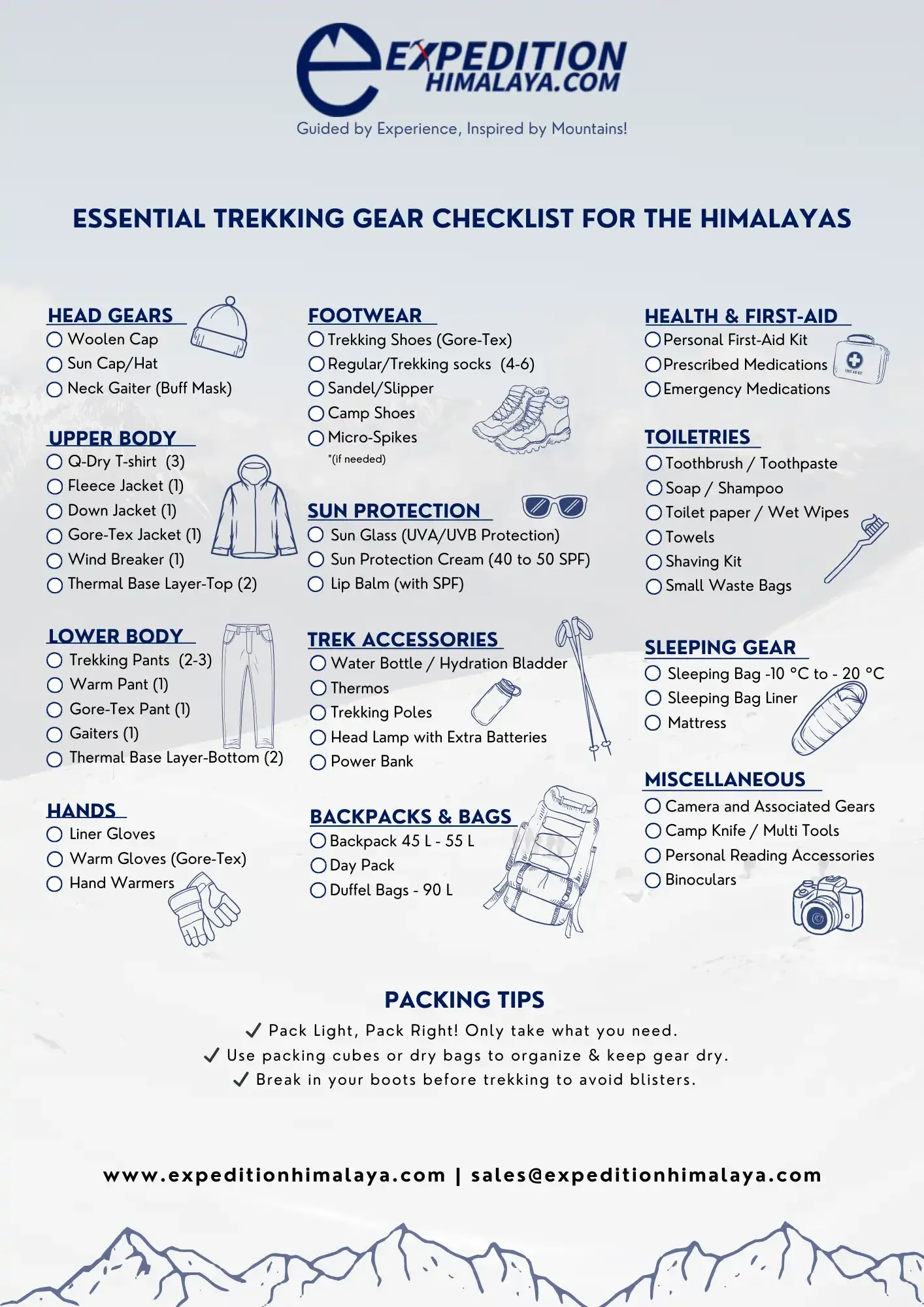
- Personal trekking equipment and clothing
- Hot showers, charging of electronic devices, and Wi-Fi during the trek
- Alcoholic drinks, bottled beverages, and personal snacks
- Tips for guides and porters
- Any expenses arising from unforeseen circumstances such as flight delays, weather conditions, landslides, or political situations
- Emergency evacuation and rescue costs (to be covered by personal insurance)
- Any other expenses not mentioned in the “Trip Includes” section
Reviews

Good!
Exellent guide for solo trekking. The flexibility of the programm was good and everything worked with Expedition Himalaya.

Frequently Asked Questions
How difficult is the Kanchenjunga Base Camp Trek?
The Kanchenjunga Base Camp Trek is considered challenging. It involves long walking days, high altitude, and remote terrain with basic facilities. This trek is best suited for experienced trekkers who are comfortable walking 6–8 hours a day and have previous high-altitude trekking experience.
What is the maximum altitude reached on this trek?
The highest point of the trek is Kanchenjunga North Base Camp (Pangpema) at 5,143 meters / 16,873 feet. Proper acclimatization days are included in the itinerary to help reduce the risk of altitude sickness and ensure a safer trekking experience.
How remote is the Kanchenjunga Base Camp Trek compared to Everest or Annapurna?
The Kanchenjunga Base Camp Trek is one of the most remote trekking routes in Nepal. Unlike Everest and Annapurna, where villages and lodges are frequent, this trek passes through long stretches with very few settlements and limited infrastructure. Once beyond Yamphudin, you are trekking in a true wilderness environment for many days.
What facilities are available in remote sections of the trek?
Facilities are very basic, especially above Ghunsa. Lodges are simple, with limited electricity, shared toilets, and no luxury services. Hot showers, charging, and internet are either unavailable or very limited. This trek is designed for travelers who are comfortable with simple living and remote conditions.
How is safety managed in such a remote region?
Safety is managed through proper acclimatization, experienced guides, and careful planning. Expedition Himalaya uses licensed guides familiar with the Kanchenjunga region, carries a first-aid kit, and follows a fixed route for clear communication and rescue coordination. Due to the remoteness, good travel insurance with helicopter evacuation coverage is mandatory.
Is this trek suitable for first-time trekkers?
The Kanchenjunga Base Camp Trek is not recommended for first-time trekkers. The long duration, high altitude, basic accommodation, and isolation require prior trekking experience and good physical fitness. It is best suited for trekkers who have already completed challenging Himalayan treks and are looking for a serious remote trekking experience.
What happens in case of bad weather or delays in remote areas?
Because of the remote location, delays due to weather, landslides, or trail conditions are possible. The itinerary includes buffer and contingency days to manage such situations safely. Guides make on-ground decisions based on weather and trail safety, always prioritizing the well-being of the group.
Gear List
Map

Customize Your Trip and Get a Quote
Inquiry Form
Related Tours