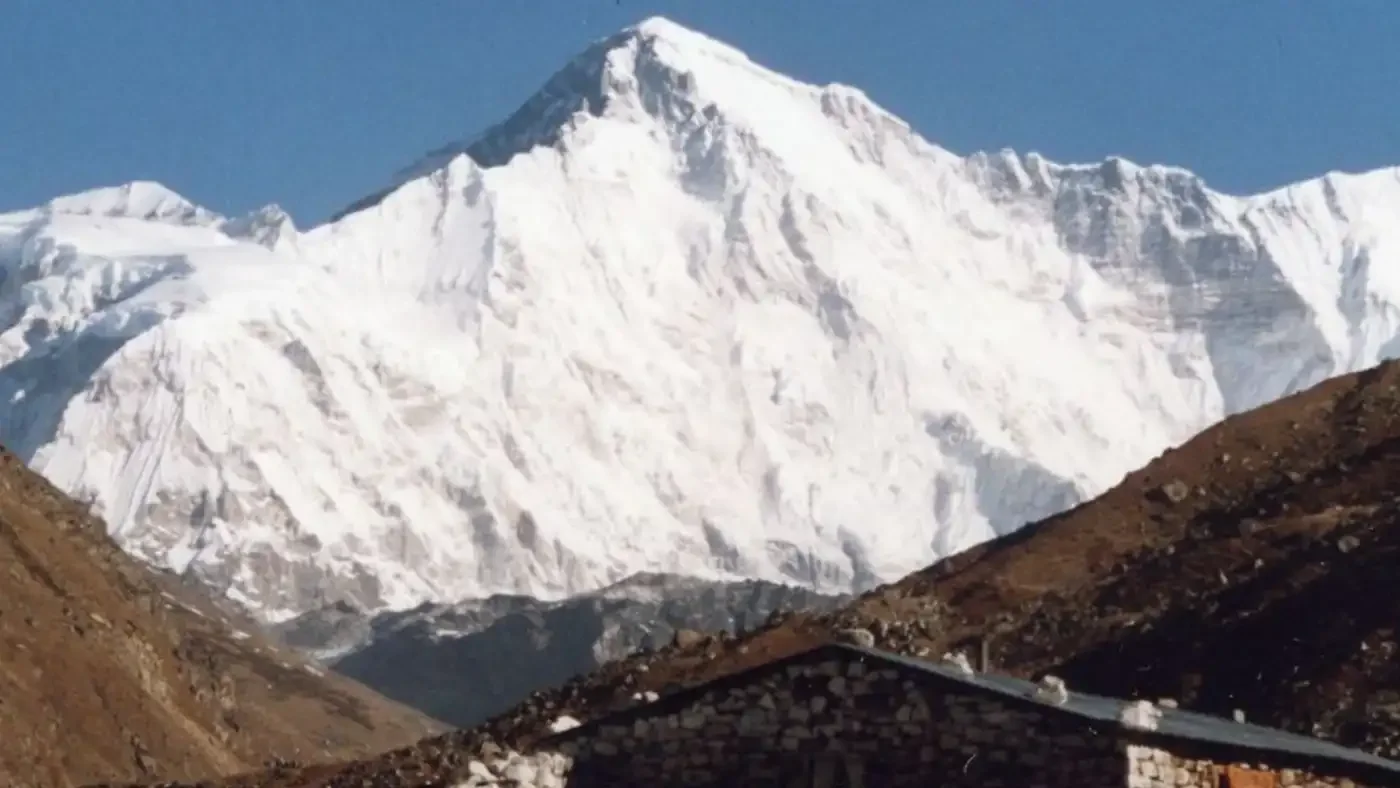
Cho Oyu Expedition - 8201 M - 35 Days
35 Days
Kathmandu
Kathmandu
8201 M
Autumn Season
Tea house & Camping
Lhasa Flight, Jeep
10
8000er
Join a professionally guided Cho Oyu Expedition via the classic Northwest Ridge route from Tibet. Climb Cho Oyu at 8,201 meters with experienced high altitude Sherpa support, structured acclimatization rotations, and a carefully managed summit strategy.
Introduction
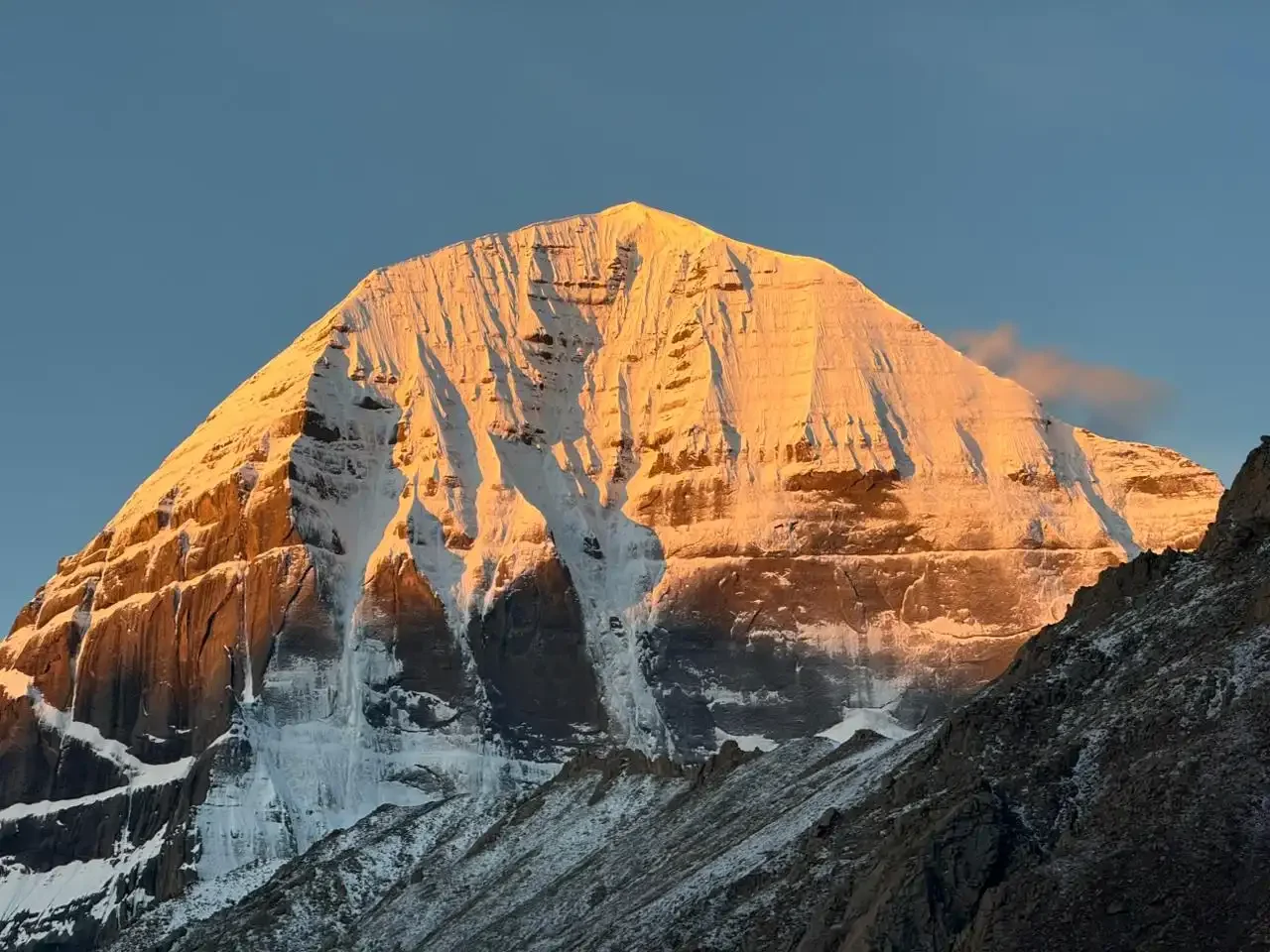
Cho Oyu is the sixth highest mountain in the world and one of the most popular 8000 meter peaks for serious climbers preparing for higher Himalayan objectives. Located on the Nepal Tibet border, Cho Oyu offers a logical and well established route from the Tibetan side, making it a preferred first 8000 meter expedition.
Cho Oyu is often described as technically moderate, but it is still a true 8000 meter mountain. Above 7,000 m / 22,966 ft, oxygen levels drop significantly, recovery slows down, and every movement requires control and discipline. Success depends on proper acclimatization, strong logistics, and experienced leadership.
Our Cho Oyu Expedition begins in Kathmandu with full permit processing and equipment inspection before flying to Lhasa. From there, a gradual overland approach through Shigatse and Tingri allows staged altitude gain before reaching Chinese Base Camp at 4,800 m / 15,748 ft and Advanced Base Camp at 5,700 m / 18,701 ft. This approach reduces rapid altitude exposure and supports safer adaptation.
The Northwest Ridge route above Advanced Base Camp follows broad snow slopes averaging 25 to 35 degrees with fixed rope protection on steeper sections. Camp I is established around 6,400 m / 20,997 ft and Camp II around 7,100 m / 23,294 ft. Camp III at approximately 7,400 m / 24,278 ft is used depending on weather and summit strategy.
Expedition Himalaya operates with experienced Sherpa climbers who have extensive high altitude experience across 7000 meter and 8000 meter peaks. Fixed rope coordination, oxygen logistics if required, and camp management are handled professionally to ensure efficient movement between camps.
This Cho Oyu Expedition is designed for climbers who are serious about high altitude mountaineering. It is ideal for those aiming to climb their first 8000 meter peak or preparing for Everest or other major Himalayan expeditions. The focus is not only on reaching the summit but on climbing with strategy, safety, and strong mountain judgment.
Cho Oyu is a powerful step into the world above 8,000 meters. With the right preparation, the right team, and the right pacing, it becomes a structured and achievable Himalayan objective.
Itinerary
Day 1: Arrive Kathmandu (1,330 m / 4,364 ft)
Upon arrival at Tribhuvan International Airport, you are received by the Expedition Himalaya team and transferred to a 4-star hotel in the quiet Lazimpat area. The rest of the day is free to rest and recover from international travel. The hotel offers a comfortable environment before the expedition begins spacious rooms for rest and recovery.
Day 2 - 3: Expedition Preparation & Welcome Dinner (1,330 m / 4,364 ft)
These two days are dedicated to expedition preparation. Climbing permits, Tibet Travel Permit, Chinese Group Visa documentation, and final logistics are completed.
You meet the Expedition Leader, climbing Sherpas, and support team for detailed briefings. Equipment checks are carried out thoroughly. High altitude boots are tested with crampons, oxygen masks are fitted, regulators are inspected, and all climbing gear is verified.
One evening includes a traditional Nepali welcome dinner with cultural performances, offering a relaxed and meaningful start to the expedition.
Day 4: Flight to Lhasa (3,656 m / 11,995 ft)
A spectacular trans-Himalayan flight brings you into Lhasa. Upon arrival, you immediately notice the thinner air. The day is kept light with short walks around the hotel to begin gradual acclimatization.
Day 5: Acclimatization Day in Lhasa (3,656 m / 11,995 ft)
Today is dedicated to acclimatization. A gentle sightseeing walk is arranged to assist adaptation to altitude. You may visit cultural landmarks such as the Potala Palace area and surrounding monasteries, keeping physical activity light and controlled. Hydration and nutrition are emphasized.
Day 6: Drive to Shigatse (3,900 m / 12,795 ft)
The overland journey across the Tibetan Plateau begins. The drive takes approximately six to seven hours, gradually increasing altitude. The landscape becomes expansive and dramatic, with snow peaks visible in the distance.
Day 7: Drive to Tingri (4,350 m / 14,271 ft)
Today we continue toward Tingri. As the elevation increases, views of the Himalayan range become more prominent. Mild altitude symptoms may appear, which is normal at this stage.
Day 8: Acclimatization Day in Tingri (4,350 m / 14,271 ft)
A short acclimatization hike to approximately 4,800 m / 15,748 ft is conducted before returning to Tingri. This climb-high, sleep-low strategy improves adaptation before reaching Base Camp. The afternoon is reserved for rest.
Day 9: Drive to Chinese Base Camp (4,800 m / 15,748 ft)
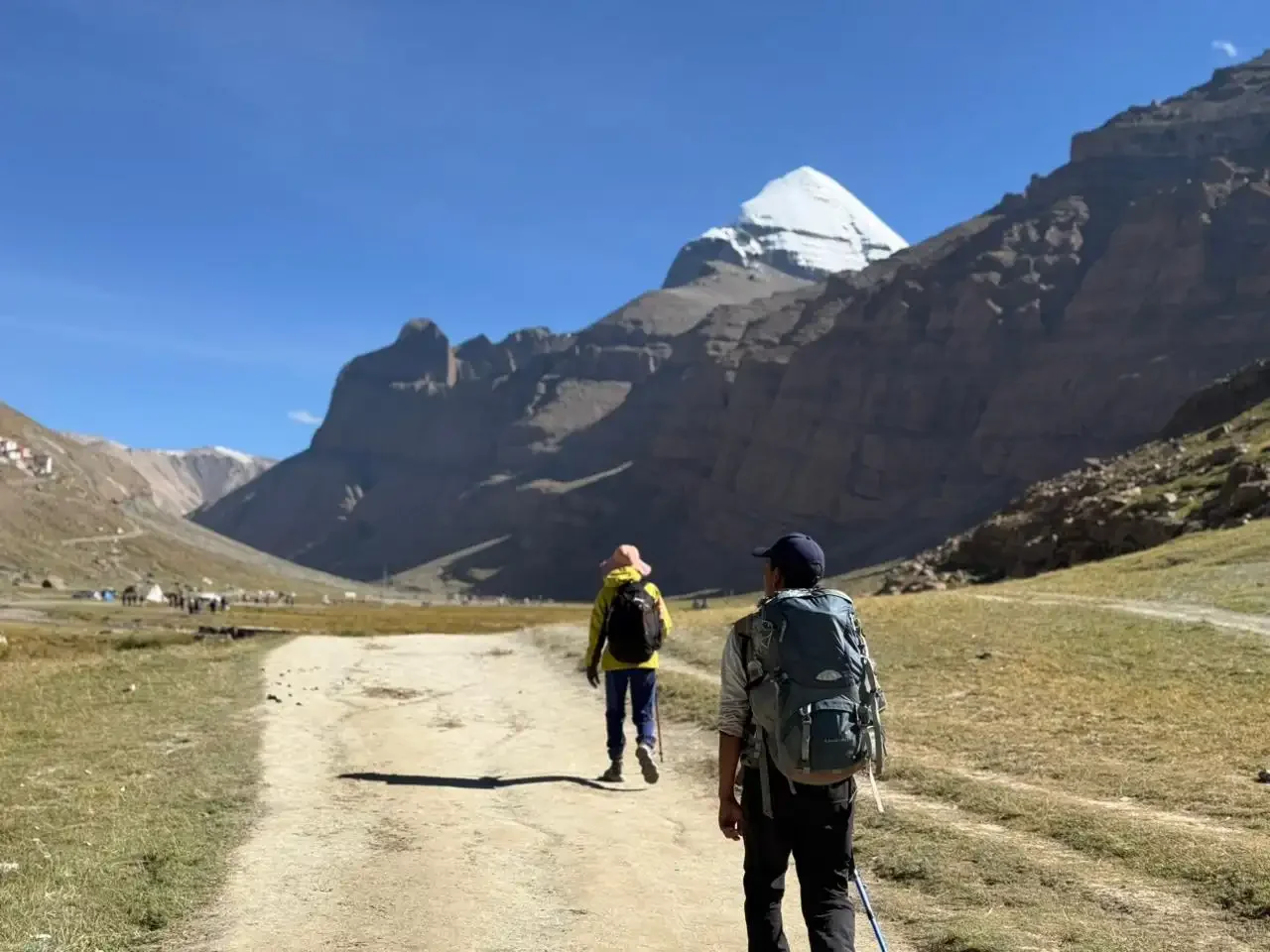
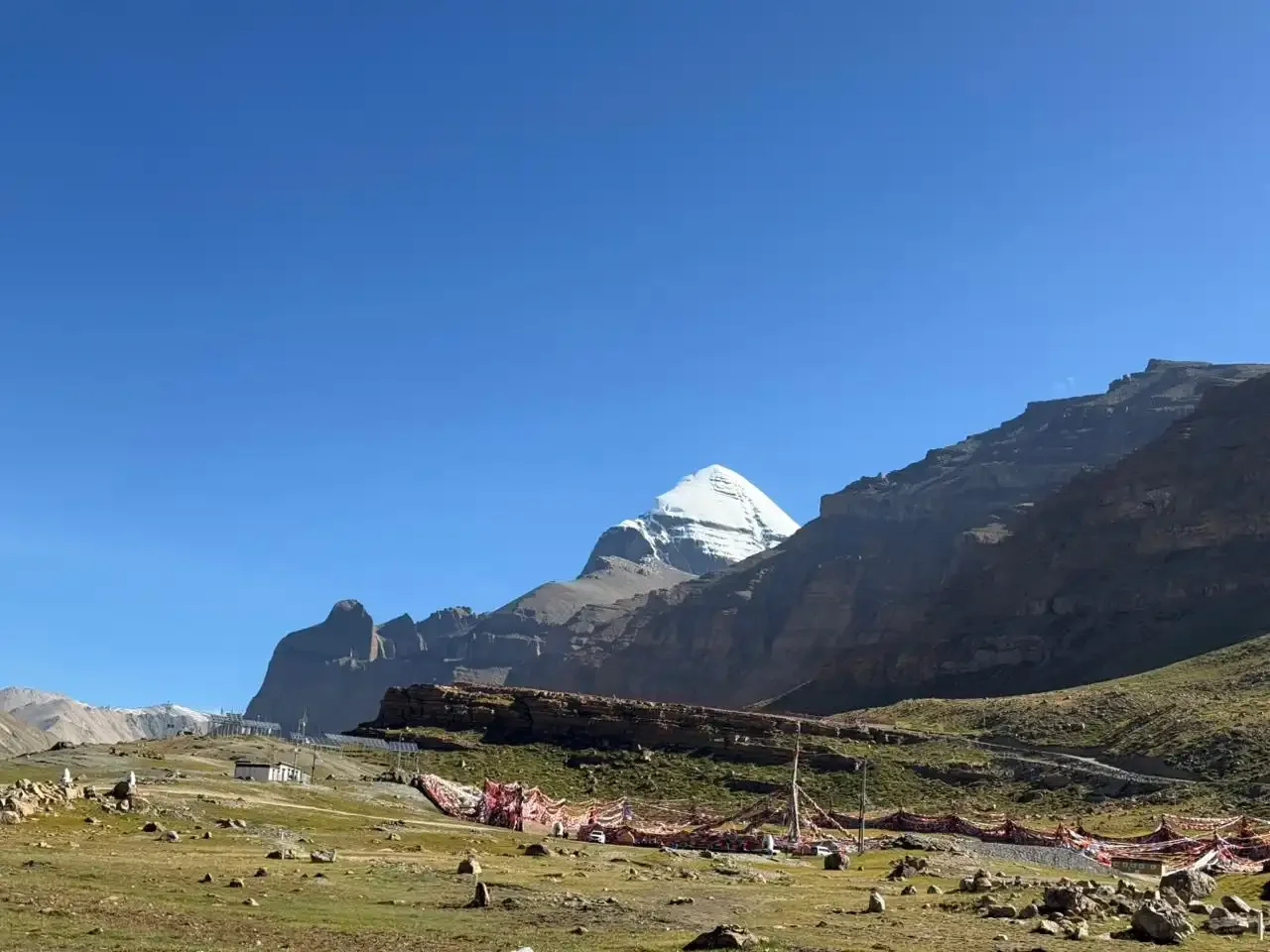
Drive to the Chinese Base Camp, the official starting point of the expedition. The camp is set on a wide open plain beneath the mountain. Here, expedition infrastructure includes dining tents, sleeping tents, communication equipment.
Day 10: Acclimatization and Gear Preparation Day at Chinese Base Camp (4,800 m / 15,748 ft)
Today is reserved for acclimatization and final preparations before moving higher. At 4,800 meters, the body continues adjusting to thinner air, so light walks around camp are encouraged while avoiding overexertion. Oxygen saturation levels are monitored regularly.
Climbing equipment is sorted and prepared for yak transport to Advanced Base Camp. High-altitude tents, personal summit gear, and oxygen systems (if applicable) are checked carefully. A short briefing reviews the route and upcoming movement to ABC.
11 - 30: Climbing Period – Cho Oyu (8,201 m / 26,906 ft)
The climbing phase begins with the gradual move to Advanced Base Camp, which becomes our operational home for the next three weeks. From here, the Northwest Ridge rises in broad snow slopes and glaciated terrain averaging 25–35 degrees. Ropes are fixed on steeper sections to ensure safety and efficiency. While technically moderate compared to other 8000-meter routes, the altitude above 7,000 meters is fully demanding and requires disciplined pacing.
The acclimatization strategy follows a structured rotation system. The first rotation reaches Camp I at approximately 6,400 m / 20,997 ft before returning to Advanced Base Camp to sleep lower. The second rotation progresses to Camp II at around 7,100 m / 23,294 ft, where climbers spend time adapting to the 7,000-meter zone before descending for extended recovery at ABC.
Once a stable weather window is confirmed, the summit rotation begins. The ascent moves steadily from Advanced Base Camp through Camp I and Camp II, and if required, Camp III. Oxygen-supported climbers typically begin supplemental oxygen at Camp II or Camp III to conserve strength for summit day.
Summit day starts before dawn, following steady snow slopes to a broad summit ridge. Reaching the summit of Cho Oyu at 8,201 m / 26,906 ft marks a significant high-altitude achievement, but safe descent remains the priority. The team descends methodically through the camps and returns to Advanced Base Camp for recovery.
Throughout this period, all decisions are conservative and guided by weather forecasts, snow conditions, and the health of each climber.
Day 31: Trek to Chinese Base Camp (4,800 m / 15,748 ft) and Drive to Tingri (4,350 m / 14,271 ft)
We begin the gradual descent across the moraine and glacial terrain back to Chinese Base Camp. The trek takes several hours, and the drop in altitude is immediately noticeable as breathing becomes easier and energy slowly returns.
Upon reaching Chinese Base Camp, vehicles are arranged for the drive back to Tingri. The transition from expedition camp life to basic town accommodation brings a sense of comfort after weeks at altitude.
Day 32: Drive to Kyirong (2,700 m / 8,858 ft)
Today we drive toward Kyirong (Gyirong), descending from the high Tibetan Plateau to approximately 2,700 m / 8,858 ft. The long drive follows wide valleys and dramatic mountain landscapes.
As altitude decreases, oxygen levels improve significantly and recovery accelerates. Kerung offers a more comfortable climate and better sleep after extended time at extreme altitude.
Day 33: Drive to Kathmandu (1,330 m / 4,364 ft)
After completing border formalities, we re-enter Nepal and continue the scenic drive toward Kathmandu. The landscape shifts from the dry plateau of Tibet to the greener hills and river valleys of Nepal.
Upon arrival in Kathmandu, transfer to your hotel and enjoy a well-deserved rest after the expedition journey.
Day 34: Rest Day in Kathmandu (1,330 m / 4,364 ft)
A full rest day in Kathmandu to relax and recover. You may explore the city, visit local markets, or simply enjoy the comfort of the hotel. In the evening, a farewell dinner is arranged to celebrate the successful completion of the Cho Oyu expedition.
Day 35: International Departure
On the final day, the team will assist you with your departure arrangements. You’ll be transferred to Tribhuvan International Airport for your flight home, leaving with unforgettable memories of your Cho Oyu expedition.
Includes
- SERVICE IN KATHMANDU
- Airport pick-up and drop-off in a private tourist vehicle, including all transfers as per the itinerary
- Welcome dinner at a traditional Nepali restaurant
- 5 nights accommodation in Kathmandu at a 4-star category hotel on a bed and breakfast (BB) basis, twin-sharing rooms
- International flight from Kathmandu to Lhasa
- GOVERNMENT & RELATED CHARGES
- Cho Oyu climbing royalty fees ($15000)
- CTMA climbing permit (Member & Guide) including Tibet visa fees
- Route fixing charges - higher camps to the summit
- Government-mandated garbage deposit fees
- SERVICES DURING TRAVEL IN TIBET
- Accommodation in Hotel/tea houses on a full board meal plan
- Transfers by comfortable tourist vehicle as per itinerary
- Sightseeing in Lhasa and Tingri as per itinerary
- English speaking experienced local guide
- Medical Kit carried by the Guide/Sardar
- BASECAMP SERVICE
- Base Camp Accommodation with an individual sleeping tent with mattress
- Base Camp service (shared with the group) includes a kitchen tent with the cook, kitchen boy, dining tent with tables and chairs, shower tent, toilet tent, storage tent, gas heater, solar panel, etc.
- Three meals per day at Base Camp, including snacks, hot tea, and coffee
- EXPEDITION SERVICE
- 2 Supplementary Oxygen for Climber and 1 for Climbing Sherpa including mask and regulator, including 1 set for emergency
- High camp tents on a shared basis
- EPI gas and high-altitude food with high-calorie nutritional planning during the climb
- One-to-one (1:1) climbing Sherpa support for each climber during the ascent
- Walkie-talkie communication and satellite phone (call charges applicable)
- Sherpa remuneration and load-carrying bonuses (excluding summit bonus)
- All climbing equipment, transportation, accommodation, meals, and salaries for Sherpas and expedition staff
- Insurance coverage and salaries for Sherpas, trekking guides, porters, and all expedition staff
Excludes
- International airfare to and from Kathmandu, and Nepal visa fees
- Personal travel and medical insurance, including coverage for emergency rescue and evacuation
- Personal medicines, medical tests, and hospitalization expenses
- Meals in Kathmandu (except welcome dinner)
- Personal expenses such as telephone calls, laundry, bottled water, bar bills, and similar items
- Personal trekking and climbing gear (available for rent upon request)
- Summit bonus of USD 1,200 for climbing Sherpa
- Additional costs arising from natural calamities, political disturbances, flight cancellations, or changes to the itinerary
- Any other expenses not specifically mentioned under “Price Includes”
Booking
Reviews

Good!
Exellent guide for solo trekking. The flexibility of the programm was good and everything worked with Expedition Himalaya.

Frequently Asked Questions
How difficult is the Cho Oyu Expedition?
Cho Oyu (8,201 m / 26,906 ft) is considered one of the most accessible 8000 meter peaks in the Himalaya. The Northwest Ridge route from Tibet is technically moderate, with snow slopes averaging 25–35 degrees and fixed rope sections on steeper terrain. However, it is still a true 8000 meter mountain. The main challenge is extreme altitude above 7,000 meters, not technical climbing difficulty.
Do I need previous 7000 meter experience?
Yes, previous experience on at least one 6000m or 7000m peak is strongly recommended. Climbers should be comfortable using fixed ropes, crampons, and ascending with a jumar. Cho Oyu is often chosen as a first 8000 meter peak, but it is not suitable for beginners without prior high altitude experience.
How long is the climbing period?
The climbing period from Advanced Base Camp typically lasts around 18 to 20 days. It includes two acclimatization rotations to Camp I and Camp II, optional rotation to Camp III, and a final summit push based on weather conditions.
Does Cho Oyu provide meaningful technical progression for climbers targeting harder 8000ers?
Yes, but primarily in altitude management rather than technical progression. Cho Oyu refines high altitude efficiency, oxygen strategy, camp logistics, and mental pacing. Climbers targeting more technical peaks must still train specifically for sustained steep terrain.
What is the typical summit day duration?
From Camp III, summit day generally takes 8 to 12 hours round trip depending on conditions and team pace. If summiting from Camp II, the day can extend significantly longer. Departure is normally before dawn to avoid afternoon wind increase.
Is there objective hazard such as seracs or avalanches?
Compared to routes like the Khumbu Icefall on Everest, Cho Oyu’s Northwest Ridge has lower objective icefall hazard. However, crevasses, wind-loaded slopes, and occasional slab formation remain real risks. Snow stability is assessed continuously, especially before summit rotation.
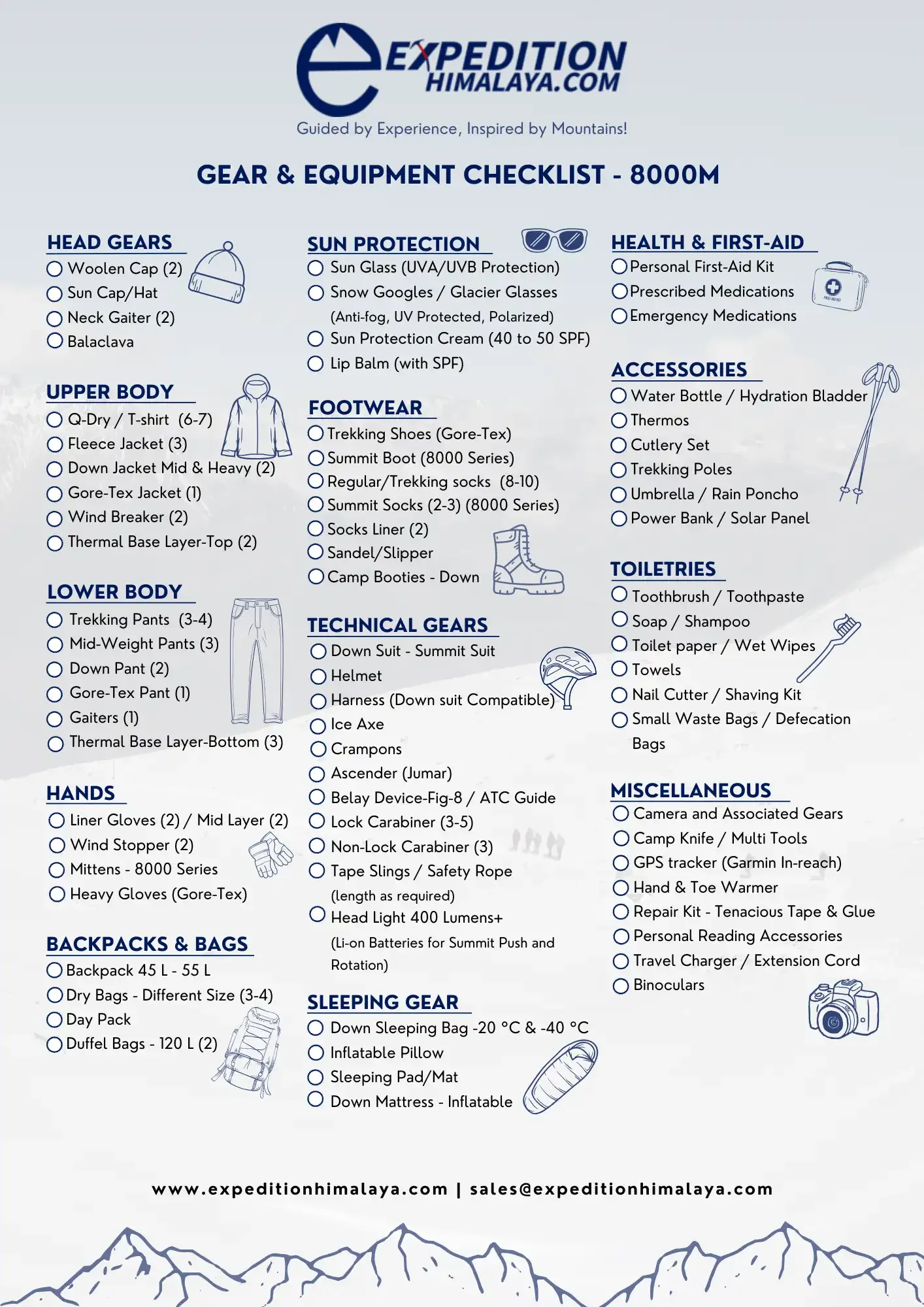
Required Climbing Gear – Cho Oyu Expedition (8,201 m / 26,906 ft)
Climbing Cho Oyu requires full 8000 meter high altitude equipment. The mountain is technically moderate, but temperatures can drop to –35°C and wind exposure is significant above Camp II. Proper gear is critical for safety and summit success.