sales@expeditionhimalaya.com
+977 985-1004278
Customize Trip
All Packages
Trekking
Everest Region
Annapurna Region
Langtang Region
Makalu Region
Manaslu Region
Wilderness & Remote Trek
Expeditions
8000ers
7000ers
6000ers
Combo
Tours
Nepal Experiences
Scenic Helicopter Tours
Tibet
Information
Booking Terms and Conditions
Expedition & Trekking Gear Guide
Permit | Garbage
Nepal Travel & Visa Guide (Updated 2026)
Tibet Tour Guide Book
A Dining Guide by Expedition Himalaya
Company
About Expedition Himalaya
Meet the Team
Blog
Testimonials
Legal Documents
Contact Us
Traveler Login
Open main menu
Close menu
All Packages
Trekking
Everest Region
Annapurna Region
Langtang Region
Makalu Region
Manaslu Region
Wilderness & Remote Trek
Expeditions
8000ers
7000ers
6000ers
Combo
Tours
Nepal Experiences
Scenic Helicopter Tours
Tibet
Information
Booking Terms and Conditions
Expedition & Trekking Gear Guide
Permit | Garbage
Nepal Travel & Visa Guide (Updated 2026)
Tibet Tour Guide Book
A Dining Guide by Expedition Himalaya
Company
About Expedition Himalaya
Meet the Team
Blog
Testimonials
Legal Documents
Contact Us
Traveler Login
sales@expeditionhimalaya.com
+977 985-1004278
Customize Trip
All Packages
Trekking
Everest Region
Annapurna Region
Langtang Region
Makalu Region
Manaslu Region
Wilderness & Remote Trek
Expeditions
8000ers
7000ers
6000ers
Combo
Tours
Nepal Experiences
Scenic Helicopter Tours
Tibet
Information
Booking Terms and Conditions
Expedition & Trekking Gear Guide
Permit | Garbage
Nepal Travel & Visa Guide (Updated 2026)
Tibet Tour Guide Book
A Dining Guide by Expedition Himalaya
Company
About Expedition Himalaya
Meet the Team
Blog
Testimonials
Legal Documents
Contact Us
Traveler Login
Open main menu
Close menu
All Packages
Trekking
Everest Region
Annapurna Region
Langtang Region
Makalu Region
Manaslu Region
Wilderness & Remote Trek
Expeditions
8000ers
7000ers
6000ers
Combo
Tours
Nepal Experiences
Scenic Helicopter Tours
Tibet
Information
Booking Terms and Conditions
Expedition & Trekking Gear Guide
Permit | Garbage
Nepal Travel & Visa Guide (Updated 2026)
Tibet Tour Guide Book
A Dining Guide by Expedition Himalaya
Company
About Expedition Himalaya
Meet the Team
Blog
Testimonials
Legal Documents
Contact Us
Traveler Login
sales@expeditionhimalaya.com
+977 985-1004278
Customize Trip
Trekking in Nepal: What You Should Know Before Trekking or Peak Climbing
Written by:
Niren Maharjan
Published On Jan 16, 2026
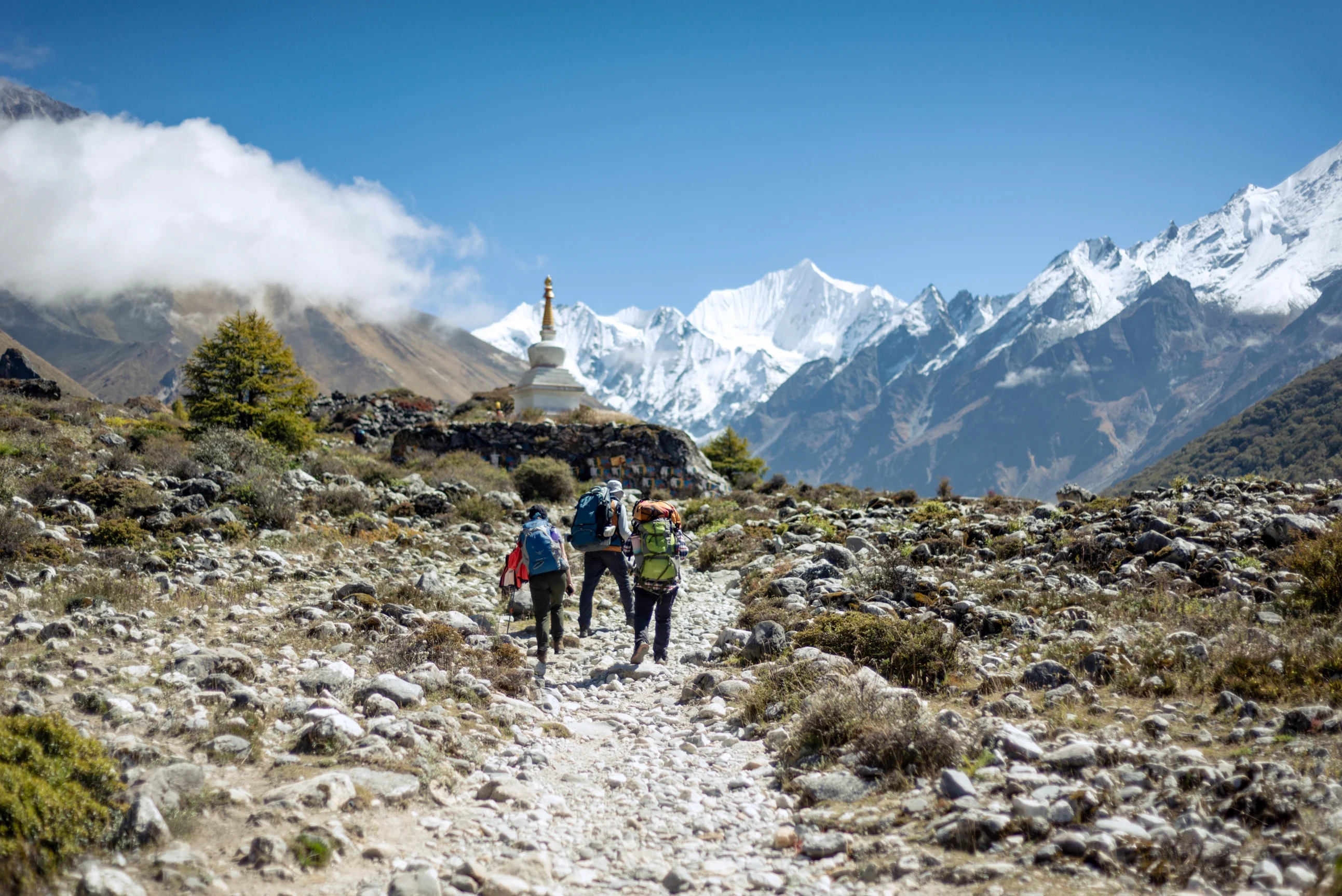
{"time":1768547242119,"blocks":[{"id":"MYK1fvlu8m","type":"paragraph","data":{"text":"<i><mark class=\"cdx-marker\">A practical guide from the trail, based on real trekking and climbing experience across the Nepal Himalayas, shaped by years of work in remote mountain regions<\/mark><\/i>"}},{"id":"Ed2wZbVWu1","type":"paragraph","data":{"text":"Planning a trek or a peak climbing trip in Nepal is exciting, but it also raises many practical questions. Most travelers start by looking at photos of the Himalayas and imagining themselves on quiet trails or high mountain ridges. Soon after, the search turns more serious: <em>How difficult is trekking in Nepal? What do I really need to prepare? How safe is it?<\/em> These are important questions, and understanding the answers before you travel makes a huge difference once you are on the trail."}},{"id":"cbCeT5eYe_","type":"paragraph","data":{"text":"Nepal is not a destination where everything works automatically. Trekking routes pass through remote mountain regions where weather can change quickly, facilities are basic, and altitude plays a major role in how your body feels each day. Even well-marked trails require patience and flexibility. Walking for several hours daily, often uphill and downhill, is normal. The key is not speed but steady progress. Travelers who arrive with realistic expectations usually enjoy the experience far more."}},{"id":"FDxtwlCuuS","type":"paragraph","data":{"text":"One of the first things to understand is the difference between trekking and peak climbing. Trekking generally follows established routes and involves staying in tea houses or simple lodges, especially on popular routes like Everest Base Camp or Annapurna Base Camp. Peak climbing goes beyond this. It involves reaching snow-covered summits, walking on glaciers, using equipment such as crampons, ropes, and ice axes, and spending time at higher altitudes. Peak climbing requires prior preparation, basic mountaineering skills, and strong guidance. It is not extreme mountaineering, but it is more demanding than trekking and needs careful planning."}},{"id":"J67VcdTDwE","type":"paragraph","data":{"text":"Altitude is one of the most important factors to consider. Many trekking routes in Nepal go above 3,000 meters, and peak climbing can take you well beyond that. At these heights, barometric pressure are lower, and the body needs time to adjust. Altitude sickness can affect anyone, regardless of fitness. Good itineraries include acclimatization days, shorter walking hours at higher elevations, and gradual height gain. Drinking enough water, eating properly, and walking slowly are simple but essential habits. From long experience in the Himalayas, it is clear that respecting altitude is one of the biggest keys to a successful trip."}},{"id":"i-khDvlTqq","type":"paragraph","data":{"text":"Permits and regulations are another area that travelers often overlook before arriving. Almost all trekking and climbing regions in Nepal require permits, and some regions require multiple permits. Certain areas also require trekkers to travel with licensed guides. These permits are checked at control points along the trail, sometimes in very remote locations. Having permits arranged correctly before the trek begins avoids unnecessary stress and delays once you are already in the mountains."}},{"id":"4J66S0McMS","type":"paragraph","data":{"text":"Packing is another important part of preparation. Trekking in Nepal does not mean carrying heavy loads if you plan well. Good trek shoes, warm clothing layers, a waterproof jacket, and a small daypack are essential. Weather can change quickly, even within the same day. Many travelers are relieved to learn that basic trekking and climbing gear can be rented or purchased in Nepal, which helps reduce luggage weight. Packing smart makes walking easier and keeps energy levels higher throughout the trek."}},{"id":"lCRbeGhkmT","type":"paragraph","data":{"text":"Food, accommodation, and daily comfort are often concerns for first-time trekkers. On most popular routes, tea houses provide simple rooms and warm meals. Food is basic but filling, often including rice, noodles, soups, potatoes, and local dishes. In more remote areas, camping may be required, with meals prepared by the support team. Clean drinking water is essential, and most trekkers use water purification tablets or filters. Knowing these details beforehand helps set realistic expectations and prevents surprises on the trail."}},{"id":"Nz4wiiMWsJ","type":"image","data":{"url":"https:\/\/media.tripcart.com\/images\/2552\/web_2552_1767892764_937808_2003_2585x1726.webp","caption":"","alt":"Thorang High Camp 2","width":1063,"height":710,"withBorder":false,"withBackground":false,"stretched":false}},{"id":"aGWwJJD6Uu","type":"paragraph","data":{"text":"Safety in the Himalayas depends on good planning and experience. Weather conditions, trail conditions, and individual health all play a role. This is where walking with an experienced local team becomes important. Guides help manage pace, monitor health, and make decisions when conditions change. Porters reduce physical strain by carrying heavier loads, allowing trekkers to walk more comfortably and enjoy the journey. When guides and porters are experienced and well supported, the entire trek feels more balanced and relaxed."}},{"id":"vVxnRjp3si","type":"paragraph","data":{"text":"Since 2011, <a href=\"https:\/\/expeditionhimalaya.com\/\" target=\"_blank\" rel=\"nofollow\">Expedition Himalaya<\/a> has been working across Nepal\u2019s trekking and climbing regions, supporting a wide range of treks, peak climbs, and high-altitude expeditions. Over the years, the team has completed many successful journeys in different seasons and regions. This experience comes from time spent on the trails, learning how to adapt plans to weather, altitude, and the needs of different travelers. Many of the most important decisions happen quietly in the background\u2014route planning, acclimatization schedules, lodge coordination, and contingency planning."}},{"id":"KHqKcDF59a","type":"paragraph","data":{"text":"Before traveling to Nepal, it is worth taking time to prepare properly. Understanding the physical demands, learning about altitude, packing wisely, and choosing the right support team all help turn a challenging journey into a rewarding one. Trekking and peak climbing in Nepal are not about rushing to a destination. They are about steady steps, shared effort, and learning to move with the mountains rather than against them."}},{"id":"asc9t2X0vq","type":"paragraph","data":{"text":"With the right preparation and guidance, the Himalayas offer something rare\u2014space to slow down, breathe deeply, and experience nature in its most powerful form."}},{"id":"PJFQnP2bcj","type":"paragraph","data":{"text":"<br>"}}],"version":"2.31.0"}
Previous
Where Prayer Flags Fly High: Expedition Himalaya’s 2026 expeditions into the Himalayas
Next
Makalu Expedition – What You Should Know Before Joining an 8,000 Meter Climb